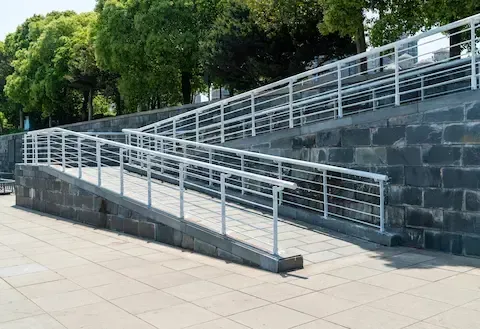
Wheelchair Ramp Planning Handbook for Gresham OR Homes
Planning a wheelchair ramp for your Gresham home requires careful consideration of slope ratios, landing dimensions, and local building codes. Oregon's accessibility standards align with federal ADA guidelines while accounting for our region's weather patterns and soil conditions. The right ramp design ensures safe, independent access while maintaining your property's aesthetic appeal and structural integrity.
Understanding ADA Slope Requirements and Gresham Applications
The standard ADA slope ratio of 1:12 means one inch of rise for every twelve inches of run. For a typical Gresham home with a 24-inch elevation change from ground to entry, you'll need a minimum ramp length of 24 feet. However, many contractors recommend slightly gentler slopes of 1:15 or 1:16 for easier navigation, especially considering Gresham's occasional ice conditions during winter months.
Measure your home's exact rise from the ground level to the door threshold. Include any existing steps in this calculation. A professional survey can account for ground slope variations common in Gresham's hilly terrain. The maximum rise for any single ramp run is 30 inches before requiring an intermediate landing.
Width requirements specify a minimum 36-inch clear width between handrails. For homes expecting frequent two-way traffic or wheelchair users who need assistance, consider 48-inch widths. The additional space proves valuable during Gresham's rainy season when users might carry umbrellas or wear bulky rain gear.
Landing Design and Placement Strategies
Landings serve as rest areas and turning spaces within your ramp system. Every ramp requires landings at the top and bottom, each measuring at least 60 inches by 60 inches. If your ramp changes direction, the landing must accommodate the turning radius, typically requiring 60 inches by 60 inches minimum.
For ramps longer than 30 feet, intermediate landings become mandatory every 30 feet of run. In Gresham's climate, ensure proper drainage by sloping landings away from the house at 1-2% grade. This prevents water accumulation and reduces slip hazards during our frequent rainfall.
Consider the door swing when planning top landings. The landing must extend at least 18 inches beyond the latch side of outward-swinging doors. For inward-swinging doors, ensure adequate maneuvering space for wheelchair users to approach and open the door safely.
Handrail Specifications and Material Selection
Handrails are required on both sides when the rise exceeds 6 inches or the run exceeds 72 inches. Rail height must measure between 34-38 inches, with most installations targeting 36 inches for optimal usability. The gripping surface should be continuous without interruption by supports or other elements.
Material selection impacts both durability and maintenance in Gresham's climate. Aluminum railings resist corrosion and require minimal maintenance, while powder-coated steel offers strength and aesthetic versatility. Avoid wood railings unless you're committed to regular sealing and maintenance due to Oregon's moisture levels.
Handrail extensions add safety and usability. Extend rails 12 inches beyond the top and bottom of ramp runs, ensuring the extensions are parallel to the ground. These extensions provide stability when users transition between different surfaces or elevation changes.
Professional installation of wheelchair ramps ensures compliance with all local building codes while optimizing the design for your specific site conditions.
Foundation and Drainage Considerations
Concrete ramps require substantial foundations to prevent settling and cracking. In Gresham's clay-heavy soils, excavate below the frost line and install proper base materials. A 4-inch concrete slab over 4 inches of compacted gravel provides adequate support for most residential applications.
Drainage planning prevents costly repairs and safety hazards. Install French drains alongside long ramps to manage water runoff. Slope the ramp surface 1-2% toward drainage points, ensuring water doesn't pool on walking surfaces. Consider how roof runoff and landscape irrigation affect your ramp area.
Reinforcement prevents cracking under load and temperature changes. Use #4 rebar on 18-inch centers in both directions for standard residential ramps. For ramps supporting power wheelchairs or heavy traffic, upgrade to #5 rebar on 12-inch centers. Proper concrete curing is essential in Gresham's variable weather conditions.
Surface Texture and Weather Protection
Surface texture provides traction while remaining smooth enough for wheelchair navigation. Broom finishes offer good traction in wet conditions common throughout Gresham. Avoid aggressive textures that impede wheelchair movement or create uncomfortable vibrations.
Non-slip additives mixed into the concrete provide consistent traction without surface irregularities. Silica sand or specialized polymer additives maintain effectiveness through multiple freeze-thaw cycles typical in our region. Apply these additives uniformly to prevent uneven wear patterns.
Weather protection extends ramp life and improves safety. Consider covered sections over the top landing and door approach. Simple shed-style covers protect users from rain while loading and unloading. Ensure adequate ventilation to prevent moisture accumulation under covered areas.
Permit Requirements and Gresham Building Codes
Most wheelchair ramps in Gresham require building permits, especially for permanent concrete installations. Contact the City of Gresham Building Division early in your planning process. Permit requirements vary based on ramp height, length, and proximity to property lines.
Submit detailed plans showing ramp dimensions, slope calculations, handrail specifications, and drainage solutions. Include property surveys if the ramp approaches setback boundaries. The review process typically takes 2-3 weeks, though complex installations may require additional time.
Schedule inspections at foundation, rebar placement, and final completion stages. Inspectors verify compliance with accessibility standards and local building codes. Address any deficiencies promptly to avoid delays in project completion and occupancy approval.
Professional Installation vs. DIY Considerations
Professional installation ensures code compliance and optimal performance in Gresham's challenging soil and weather conditions. Experienced contractors understand local building requirements and have established relationships with permit offices. They also carry appropriate insurance for liability protection.
DIY installation can reduce costs but requires significant expertise in concrete work, drainage design, and accessibility standards. Mistakes in slope calculation or foundation preparation lead to expensive corrections. Consider the complexity of your site conditions and local permitting requirements before choosing this route.
Review examples of completed projects and contractor credentials carefully. Look for contractors experienced with accessibility installations who can demonstrate knowledge of ADA requirements. For additional insights into concrete construction considerations, consult our Commercial Concrete walkthrough which covers many relevant technical aspects.
Quality wheelchair ramp installation creates lasting accessibility solutions that enhance daily independence while maintaining property value. Proper planning addresses all technical requirements while creating attractive, functional additions to Gresham homes. If you are planning ahead rather than responding to an immediate need, our ramp picks for aging in place cover how the entry integration decisions play out day to day.
