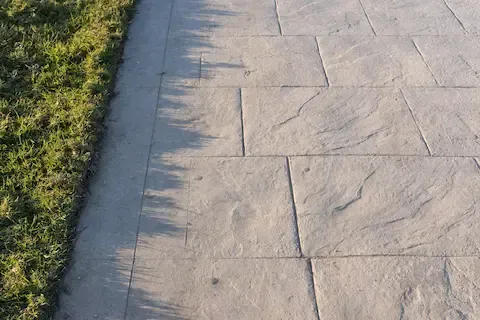
Stamped Concrete Design Walkthrough for Gresham OR
Stamped concrete transforms ordinary driveways, patios, and walkways into stunning focal points that mimic natural stone, brick, or tile at a fraction of the cost. In Gresham's wet climate, choosing the right patterns, colors, and protective treatments ensures your decorative concrete surfaces maintain their beauty through Oregon's challenging weather conditions. This comprehensive walkthrough covers every aspect of stamped concrete design, from initial pattern selection through long-term maintenance considerations specific to the Pacific Northwest environment.
Pattern Selection and Design Fundamentals
The foundation of any successful stamped concrete project begins with selecting patterns that complement your home's architecture and landscape design. Popular choices in Gresham include ashlar slate for contemporary homes, cobblestone for traditional settings, and wood plank patterns for rustic or farmhouse styles. Each pattern creates different visual impacts and maintenance requirements that must align with your long-term expectations.
Pattern scale plays a crucial role in the overall aesthetic success of your project. Large patterns work best on expansive areas like driveways and large patios, while smaller patterns suit walkways and intimate outdoor spaces. Consider sight lines from your home's interior windows and main outdoor living areas when making pattern decisions. The goal is creating visual harmony between your stamped concrete surfaces and existing landscape elements.
Texture depth affects both appearance and functionality in Gresham's climate. Deep textures provide excellent slip resistance during wet conditions but can collect debris and organic matter that stains the surface. Medium-depth textures offer the best balance of visual appeal and practical maintenance in Pacific Northwest conditions. Shallow textures work well for covered areas but may become slippery when wet.
Color Systems and Climate Considerations
Stamped concrete color systems involve two primary components: integral color mixed throughout the concrete and color hardener applied to the surface. This dual-color approach creates natural-looking variation that mimics authentic materials. In Gresham's overcast environment, choosing colors with sufficient contrast ensures your surfaces remain visually appealing even under gray skies.
Integral colors provide the base tone and ensure color consistency throughout the slab thickness. Popular choices for Pacific Northwest applications include warm grays, earth tones, and muted browns that complement the region's natural palette. These colors age gracefully and hide minor staining from organic debris common in Oregon's lush environment.
Color hardeners create the primary surface color and enhance durability. Multiple hardener colors can be applied to create realistic stone-like variation. Consider how colors will appear when wet, as Gresham surfaces frequently experience moisture. Darker colors may show water spots more readily, while lighter colors can appear washed out during extended rainy periods.
Release agents prevent stamping tools from sticking to fresh concrete while adding subtle color highlights. Powder release agents create more pronounced antiquing effects, while liquid releases provide subtler color variation. The choice between powder and liquid release affects both the final appearance and the ease of cleanup after stamping.
Installation Process and Quality Control
Proper subgrade preparation becomes critical in Gresham's clay-heavy soils and high moisture environment. Adequate drainage prevents water from collecting beneath the slab, which can cause settling and cracking. A well-compacted gravel base with proper slope directs water away from the concrete surface and foundation areas.
Concrete mix design must account for local climate conditions. Higher cement content improves durability in freeze-thaw cycles, while appropriate air entrainment protects against winter damage. The mix should achieve proper workability for stamping while maintaining strength characteristics suitable for your intended use and local soil conditions.
Timing becomes crucial during the stamping process, especially in Gresham's variable weather conditions. Concrete must reach the proper consistency for stamping - firm enough to hold the pattern but still workable enough to achieve clean impressions. Temperature and humidity affect working time, requiring experienced contractors who can adjust techniques based on daily conditions.
Quality stamping requires systematic pattern alignment and consistent pressure application. Each stamp impression must align properly with adjacent areas to create seamless pattern flow. Proper tool maintenance and cleaning between impressions prevents concrete buildup that can compromise pattern clarity.
Sealing and Protection Strategies
Sealer selection significantly impacts both appearance and longevity of stamped concrete in Pacific Northwest conditions. Acrylic sealers provide good protection and color enhancement but require more frequent reapplication. Polyurethane sealers offer superior durability and chemical resistance but cost more initially. Penetrating sealers protect without changing surface appearance but provide less color enhancement.
Application timing affects sealer performance and appearance. Concrete must cure adequately before sealing, typically 28 days for full strength development. However, Gresham's wet climate may require earlier sealing to prevent water penetration and staining. Experienced contractors balance cure time with weather protection needs.
Sealer maintenance schedules depend on exposure conditions and sealer type. High-traffic areas and surfaces exposed to vehicle traffic require more frequent resealing. Covered areas like covered patios need less frequent attention. Establishing a regular inspection schedule helps identify areas needing touch-up before major problems develop. Sealer choice matters more here than in drier climates, and our picks for moss-resistant sealers cover which products actually hold up.
Common Installation Challenges and Solutions
Weather timing presents the biggest challenge for stamped concrete installation in Gresham. Rain during or shortly after placement can ruin surface texture and color uniformity. Successful contractors monitor weather forecasts carefully and have contingency plans for unexpected precipitation. Temporary coverings and heating equipment help extend working seasons.
Color variation issues often arise from inconsistent material application or varying concrete moisture content during stamping. Proper mixing procedures and systematic application techniques minimize color variation. Understanding how different weather conditions affect color development helps achieve consistent results.
Pattern alignment problems create visual disruptions that detract from the overall project quality. Careful layout planning and reference line establishment prevent alignment issues. Starting patterns from prominent focal points and working outward helps minimize the impact of minor alignment adjustments needed at project edges.
Joint placement affects both structural integrity and appearance. Control joints must be strategically located to manage concrete shrinkage while minimizing visual impact on pattern flow. Proper joint sealing prevents water infiltration and maintains structural performance over time.
Gresham-Specific Considerations
Local soil conditions in Gresham present unique challenges for concrete installations. Clay-heavy soils expand and contract with moisture changes, potentially causing concrete movement and cracking. Proper site evaluation and preparation become essential for long-term performance. Understanding drainage patterns around your property helps prevent water-related problems.
Gresham's building codes and permit requirements apply to most concrete installations. Setback requirements, drainage considerations, and structural specifications must be met for legal compliance. Working with experienced local contractors familiar with Gresham's requirements streamlines the permit process and ensures code compliance.
Winter freeze-thaw cycles, while less severe than in many regions, still affect concrete durability. Proper mix design with adequate air entrainment protects against frost damage. Avoiding deicing chemicals that can damage concrete surfaces helps maintain appearance and structural integrity through winter months.
The region's abundant vegetation and organic matter create ongoing maintenance considerations. Leaves, pine needles, and other organic debris can stain concrete surfaces if not removed promptly. Regular cleaning and proper sealing help prevent permanent staining from organic materials common in Gresham's landscape.
Maintenance and Longevity Planning
Establishing regular maintenance routines maximizes the lifespan and appearance of stamped concrete surfaces. Weekly sweeping removes debris that can cause staining or surface damage. Monthly washing with mild detergent and water maintains surface cleanliness and allows inspection for potential problems.
Seasonal maintenance tasks address specific challenges of each time period. Spring cleaning removes winter debris and allows assessment of any weather damage. Summer maintenance focuses on sealer condition and high-use area wear. Fall preparation includes thorough cleaning and minor repairs before winter weather arrives.
Professional maintenance services may be beneficial for large or complex installations. Our foundation repair walkthrough demonstrates the importance of professional assessment and maintenance for all concrete applications. Annual professional inspections can identify potential problems before they become major repairs.
Documentation helps track maintenance schedules and warranty compliance. Recording sealer application dates, cleaning procedures, and any repairs creates a maintenance history that helps with future planning and warranty claims. Digital photos taken annually provide visual documentation of condition changes over time.
Investment and Value Considerations
Stamped concrete provides excellent value compared to natural stone, brick, or tile installations while offering similar aesthetic appeal. Initial costs vary based on pattern complexity, color options, and site conditions. Complex patterns and multiple colors increase labor requirements and material costs but create more sophisticated visual results.
Long-term value depends heavily on proper installation and maintenance. Quality installation by experienced contractors costs more initially but provides better durability and appearance retention. Cutting corners on installation often leads to premature repairs that exceed initial savings.
Property value enhancement makes stamped concrete an attractive investment for Gresham homeowners. Well-designed and properly maintained stamped concrete surfaces increase curb appeal and outdoor living functionality. The durability and low maintenance requirements of quality installations provide ongoing value compared to alternatives requiring frequent replacement or repair.
Stamped concrete design success in Gresham requires careful attention to pattern selection, color systems, installation quality, and ongoing maintenance. The region's unique climate and soil conditions demand experienced contractors who understand local challenges and solutions. With proper planning and execution, stamped concrete surfaces provide decades of beauty and functionality while enhancing your property's value and outdoor living experience.
