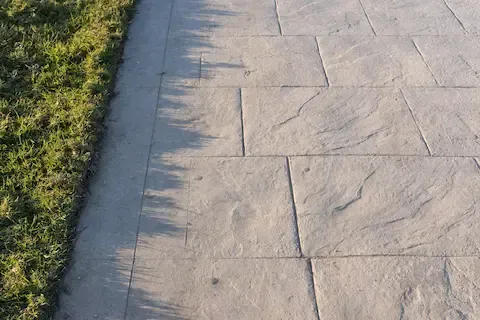
Moss Resistant Sealers for Gresham OR Decorative Slabs
Gresham's climate is genuinely tough on decorative concrete. The wet seasons that stretch from October through May, the shade from Douglas firs and maples overhanging most residential lots, and the perpetual surface moisture that accumulates on north-facing slabs all create ideal conditions for moss and algae to take hold. If you've invested in stamped concrete for a patio, driveway apron, or garden walkway, watching that surface turn green within a season or two is deeply frustrating. The right sealer doesn't just protect the appearance of your decorative slab — in the Pacific Northwest, it actively fights back against biological growth and extends the life of the work underneath.
Why Moss Takes Over Decorative Slabs in Gresham
Standard concrete is already porous, and decorative or stamped concrete introduces texture, grout lines, and relief patterns that trap moisture even longer. In Gresham's climate, that trapped moisture rarely fully dries between rain events during the wet months. Organic debris — leaf tannins, airborne spores, pollen — settles into those textures and gives moss and algae an anchor point. Once established, biological growth works its way into the surface pores and begins breaking down the concrete itself.
North-facing surfaces and areas under tree canopy are the highest-risk zones. Many Gresham neighborhoods, particularly in the hills above Powell Boulevard and along the tree-lined streets of Pleasant Valley, see patios that stay damp for days after a rain event stops. Even south-facing slabs that receive afternoon sun can struggle if they're hemmed in by fences or vegetation that restricts airflow.
A penetrating or film-forming sealer addresses this problem by reducing the surface's ability to absorb and retain moisture in the first place. But not all sealers perform equally in PNW conditions, and product selection matters more here than it does in drier climates like Central Oregon.
Sealer Types That Actually Work Against Biological Growth
There are two main categories to evaluate: penetrating sealers and topical film-forming sealers. Each has a distinct role in a moss-resistance strategy.
Penetrating silane-siloxane sealers absorb into the concrete matrix and create a hydrophobic barrier below the surface. They don't change the surface appearance significantly, which makes them a popular choice for natural-look flagstone patterns or brushed finishes. Because they work below the surface, they don't peel or delaminate — a real advantage in freeze-thaw cycles that occasionally affect Gresham elevations east of the city. Their limitation is that they don't provide much resistance to algae that anchors to surface texture rather than penetrating into pores.
Film-forming acrylic sealers lay down a protective coating over the surface, which creates a genuine barrier that moss and algae find difficult to colonize. High-quality solvent-based acrylics or water-based urethane-modified acrylics rated for exterior use are the workhorses of the decorative concrete industry. For stamped concrete, they also enhance color and provide the glossy or satin appearance that makes patterns pop. The tradeoff is that these coatings do eventually degrade, especially under UV exposure and foot traffic, requiring reapplication.
Combination systems — a penetrating silane-siloxane base coat followed by a topical acrylic — give you the best of both approaches. The penetrating layer blocks subsurface moisture absorption while the topical layer defends the surface itself. This is the approach most worth considering for high-exposure Gresham installations where moss pressure is severe.
For stamped concrete specifically, look for products with built-in mildewcide or biocide additives. Several manufacturers now produce exterior decorative concrete sealers formulated with antimicrobial agents that inhibit moss and algae spore germination directly. These aren't magic — they still require reapplication — but they significantly extend the window between maintenance cycles. If you're exploring options for your project, reviewing stamped concrete services in detail can help clarify what surface profiles and finishes pair best with specific sealer types.
Reapplication Timelines for the PNW Climate
In drier climates, exterior concrete sealers often carry manufacturer recommendations of three to five years between reapplications. In Gresham, cut that in half as your working assumption, especially for topical film-forming products. UV degradation here is less of a driver than in desert climates, but moisture cycling, biological pressure, and foot traffic combine to degrade coatings faster than the packaging suggests.
A practical Gresham-tuned reapplication schedule looks like this:
- Film-forming acrylics: Inspect annually, plan reapplication every 18 to 24 months for high-traffic areas; 24 to 36 months for low-traffic decorative surfaces under some canopy shelter
- Penetrating silane-siloxane: Reapply every 3 to 5 years — these degrade more slowly but do eventually lose effectiveness as the surface itself weathers
- Combination systems: Follow the film-forming schedule for the topical layer; reapply the penetrating base if you ever strip the surface back to bare concrete
The best time to apply or reapply sealer in Gresham is late spring or early summer — May through early July — when you're past the heavy rain season and ahead of any temperature extremes. Surface temperature needs to be above 50°F and the concrete needs to be completely dry, which in Gresham means waiting at least three to five dry days after the last rain event, not just one.
Preparation Is Where Moss Resistance Is Won or Lost
Applying even the best sealer over a surface with existing biological growth will not solve the problem. Moss and algae spores embedded beneath a new sealer coat will continue growing. Surface preparation before any sealing application should include:
- Pressure washing at appropriate PSI for the finish (lower for exposed aggregate or delicate stamp patterns, higher for smooth or broom-finished surfaces)
- Application of a diluted sodium hypochlorite or specialty concrete biocide wash to kill existing biological growth — not just rinse it away
- Allowing complete drying time, which in Gresham may be longer than you expect
- Light mechanical prep or chemical etching if the surface has residual sealer that may prevent proper adhesion
Skipping the biocide wash step is one of the most common mistakes homeowners make when doing their own sealer maintenance. A surface that looks clean after pressure washing may still harbor viable spores in texture grooves that will colonize the new sealer coating from below within a season.
What to Ask a Contractor Before They Seal Your Slab
If you're hiring out the sealing work — either on a new installation or as a maintenance service — ask specifically about their product selection and prep protocol. A contractor who proposes a standard box-store acrylic without discussing the moisture conditions on your specific property hasn't accounted for Gresham's climate. Ask whether they're using a product with biocide additives, what the reapplication interval is for the product they're proposing, and whether they perform a biocide wash before application. You can review our stamped concrete walkthrough for more context on how surface preparation fits into the broader project process, from pour through finishing through long-term maintenance.
Contractors working regularly in the Portland metro understand PNW conditions differently than those who primarily work in drier climates. Regional experience with product performance through wet winters and the specific biological pressure of west-slope Cascades moisture is a genuine differentiator when it comes to decorative concrete longevity.
Long-Term Value of Sealing Done Right
Decorative concrete in Gresham represents a significant investment, and sealer selection is one of the highest-leverage decisions in protecting that investment. Done right, a properly chosen and applied sealer system can double or triple the interval before a stamped or colored slab shows meaningful biological staining or surface degradation. Done wrong — or skipped entirely — moss establishment can begin within a single wet season and begin physically damaging the surface within two or three years.
The cost difference between a quality biocide-rated sealer and a generic product is small relative to the cost of surface restoration or replacement. In a climate like Gresham's, that premium is worth every dollar.
