Residential Foundation Walkthrough Across Gresham OR
Building a home in Gresham requires careful consideration of foundation options that work with Oregon's unique soil conditions and climate patterns. The choice between stem wall, slab-on-grade, and crawlspace foundations affects everything from construction costs to long-term maintenance requirements. Understanding how each foundation type performs in Gresham's environment helps homeowners make informed decisions that align with local building codes and geological realities.
Stem Wall Foundation Systems in Gresham
Stem wall foundations represent the most common residential choice throughout Gresham neighborhoods. This system combines a concrete footing below the frost line with a short concrete wall that extends above ground level. The stem wall creates separation between the wood framing and soil moisture while providing excellent structural support for single-story and multi-story homes.
Local contractors favor stem walls because they work well with Gresham's clay-rich soils that expand and contract with seasonal moisture changes. The elevated design keeps structural elements away from ground moisture while allowing proper drainage around the foundation perimeter. Construction typically involves excavating footings 18 to 24 inches deep, depending on soil conditions and frost protection requirements specific to the greater Portland area.
The stem wall approach offers flexibility for utilities and creates accessible space for mechanical systems. Plumbing and electrical runs can be installed in the crawl space created above the foundation, making future maintenance and modifications more manageable than with slab systems.
Slab-on-Grade Construction Considerations
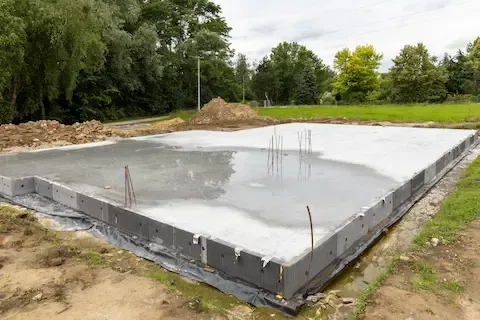
Slab-on-grade foundations pour concrete directly over prepared soil, creating a single-level floor system that works well for ranch-style homes and commercial buildings. In Gresham, slab construction requires careful attention to soil preparation and moisture control due to the area's winter precipitation patterns.
The key advantage of slab foundations lies in their cost efficiency and faster construction timeline. Without the need for extensive excavation or crawl space construction, builders can complete the foundation phase more quickly. However, slab systems in Oregon require proper vapor barriers and insulation to meet energy codes and prevent moisture issues.
Utility installation becomes more challenging with slab construction since plumbing and electrical systems must be planned and installed before the concrete pour. Any future modifications require cutting through the slab, making this option less flexible than elevated foundation systems. Local building codes also require specific insulation values for slab edges to maintain energy efficiency standards.
Soil Preparation Requirements
Gresham's soil conditions demand thorough preparation regardless of foundation type. The predominant clay soils require proper compaction and drainage solutions to prevent settling and moisture problems. Professional foundation repair services emphasize the importance of soil testing and preparation during the initial construction phase to avoid future structural issues.
Proper grading ensures water flows away from the foundation rather than pooling against basement or crawl space walls. French drain systems and perforated pipe installations help manage groundwater and surface runoff, particularly important during Gresham's wet winter months.
Crawlspace Foundation Benefits
Crawlspace foundations create accessible areas beneath homes while maintaining cost efficiency compared to full basement construction. This approach works particularly well in Gresham where homeowners want utility access without the expense of full excavation projects.
The crawlspace design allows easy access for plumbing repairs, electrical upgrades, and HVAC installation. During Gresham's frequent rain periods, having accessible space below the living area helps with moisture management and ventilation control. Proper crawlspace construction includes vapor barriers, adequate ventilation, and insulation to meet Oregon's energy efficiency requirements.
Modern crawlspace design incorporates encapsulation techniques that seal the space from ground moisture while maintaining controlled ventilation. This approach works well with Gresham's climate patterns and helps prevent the mold and moisture issues that can develop in poorly designed crawl spaces.
Local Code and Permit Requirements
City of Gresham building codes require specific foundation depths and reinforcement schedules based on soil conditions and structural loads. Residential foundations must extend below the frost line while meeting seismic design requirements appropriate for Oregon's earthquake risk profile.
Permit applications require engineered plans for most foundation systems, particularly when dealing with sloped lots or challenging soil conditions common throughout Gresham's hillside neighborhoods. Inspection schedules typically include footing inspection before concrete placement, reinforcement inspection, and final foundation approval before framing begins.
Drainage requirements mandate proper foundation waterproofing and perimeter drain installation for all basement and crawlspace construction. These requirements reflect the area's high annual rainfall and help prevent the foundation problems that affect improperly constructed systems. On sloped lots the drainage question comes before the foundation question, which is covered in our guide to foundation drainage on Gresham hillside lots.
Seismic Considerations
Oregon's location in an active seismic zone requires foundation designs that can withstand earthquake forces. Modern foundation construction in Gresham incorporates anchor bolt spacing, reinforcement details, and connection methods that provide adequate structural continuity between the foundation and wood framing systems.
Stem wall construction typically includes continuous reinforcement and proper connection details that help the foundation system move as a unit during seismic events. These requirements affect both material costs and construction methods but provide essential protection for long-term structural integrity.
Material Selection and Quality Control
Concrete quality becomes critical for foundation longevity in Oregon's climate conditions. Local suppliers provide mixes designed for the freeze-thaw cycles and moisture exposure typical of the Pacific Northwest. Proper concrete placement, finishing, and curing practices help ensure foundations perform well over decades of service.
Reinforcement steel placement and spacing follow specific schedules based on foundation type and soil conditions. Quality control during construction includes verification of reinforcement placement, concrete strength testing, and proper curing procedures that affect long-term durability.
Waterproofing materials and application methods must withstand Gresham's extended wet seasons while providing long-term protection against moisture intrusion. Modern waterproofing systems include membrane applications, drain board installation, and proper detailing around utility penetrations.
Cost Factors and Budget Planning
Foundation costs in Gresham vary significantly based on soil conditions, site access, and foundation type selection. Slab-on-grade systems typically offer the lowest initial cost but may require additional insulation and vapor barrier systems to meet energy codes. Stem wall and crawlspace foundations require more excavation and concrete but provide better long-term flexibility and access.
Site preparation costs depend heavily on existing soil conditions and drainage requirements. Properties with challenging drainage or unstable soils may require additional engineering and specialized construction techniques that affect overall project budgets.
Labor costs reflect the specialized nature of foundation work and the importance of proper construction techniques. Experienced foundation contractors understand local soil conditions and building codes, helping avoid costly corrections during construction or expensive repairs after project completion.
Long-term Maintenance Considerations
Different foundation types require varying levels of ongoing maintenance and monitoring. Crawlspace systems need periodic inspection for moisture control and ventilation system performance. Slab foundations require attention to expansion joint sealing and grade maintenance around the structure perimeter.
Drainage system maintenance becomes critical for all foundation types in Gresham's wet climate. Regular inspection and cleaning of perimeter drains, downspout extensions, and surface grading helps prevent the water intrusion problems that can affect foundation performance over time.
Professional Installation and Quality Assurance
Selecting qualified foundation contractors with local experience ensures proper construction techniques and code compliance throughout the project. Experienced professionals understand Gresham's soil conditions and can recommend appropriate foundation systems based on site-specific factors.
Quality assurance includes proper material testing, inspection scheduling, and documentation that meets local building department requirements. Professional installation also includes warranty coverage and ongoing support that protects homeowner investments in foundation systems.
For homeowners considering different foundation options, consulting with professionals familiar with our Concrete Slabs walkthrough provides valuable insights into the construction process and helps establish realistic expectations for timeline and budget requirements. The foundation choice affects every aspect of home construction and long-term performance, making professional guidance essential for optimal results.
