Walkway Installation Walkthrough for Gresham OR Homes
Planning Your Gresham Walkway Project
Installing a concrete walkway in Gresham requires careful planning that accounts for Oregon's unique climate conditions. Your walkway needs to handle heavy winter rains, occasional ice, and the expansive clay soils common throughout the Portland metro area. Before breaking ground, determine your walkway's primary function - whether it's connecting your driveway to your front door, linking garden areas, or providing access to outdoor spaces.
Width selection depends on intended use and local building codes. Standard residential walkways measure 4 feet wide for main paths and 3 feet for secondary routes. Gresham's building department requires permits for walkways exceeding certain dimensions, so check requirements early in your planning process. Consider future needs too - a wider walkway accommodates wheelchairs, strollers, and makes snow removal easier during Gresham's occasional winter weather.
Drainage planning becomes critical in Oregon's wet climate. Your walkway must direct water away from your home's foundation while preventing puddles that freeze during cold snaps. Plan for a minimum 2% slope away from structures, with steeper grades needed in areas with poor drainage. Before you plan the work, check whether it needs a right-of-way permit, which we cover in our guide to sidewalk repair permits in Multnomah County.
Site Preparation and Excavation
Proper excavation sets the foundation for a long-lasting walkway. In Gresham's clay-heavy soils, dig 6-8 inches deep to accommodate your concrete slab plus base materials. Clay soil expansion and contraction can crack concrete, so removing and replacing problem soil becomes essential in many Gresham locations.
Test your soil's drainage by digging a hole and filling it with water. If water remains after 24 hours, you're dealing with poor drainage that requires additional base preparation. Many Gresham properties need 4 inches of compacted gravel base to prevent settling and cracking. Use angular gravel rather than rounded rock for better compaction and stability.
Mark utility locations before excavating. Oregon's 811 service provides free utility marking, preventing dangerous and expensive accidents. Gresham's older neighborhoods often have shallow utility lines that complicate walkway installation.
Install proper edge restraints during excavation. Concrete walkways need secure borders to prevent spreading and cracking. Use treated lumber, metal edging, or plastic restraints suitable for Oregon's moisture conditions.
Base Installation and Compaction
Your base layer provides critical support for concrete in Gresham's challenging soil conditions. Spread gravel base in 2-inch lifts, compacting each layer thoroughly. Rent a plate compactor for this work - hand tamping doesn't provide adequate compaction for vehicle-rated walkways or areas subject to freeze-thaw cycles.
Check base elevation frequently during installation. Use a string line and level to maintain consistent thickness. Gresham's clay soils can create uneven settling, so extra attention to base preparation prevents future problems.
Consider geotextile fabric between clay soil and gravel base in areas with drainage issues. This fabric prevents clay from migrating into your gravel, maintaining drainage properties over time. Many Gresham contractors recommend this extra step for long-term performance.
Moisture content affects compaction quality. Your gravel should be slightly damp but not saturated during compaction. Oregon's frequent rain can oversaturate base materials, requiring tarps or timing installation during dry periods.
Concrete Mixing and Placement
Choose concrete mix designs appropriate for Oregon's climate. Specify air-entrained concrete with 5-7% air content for freeze-thaw resistance. Portland cement with flyash provides good durability while pozzolan additions improve long-term strength in wet conditions.
Order concrete early in the day when possible. Gresham's afternoon rain showers can complicate concrete placement and finishing. Have tarps ready to protect fresh concrete from unexpected precipitation.
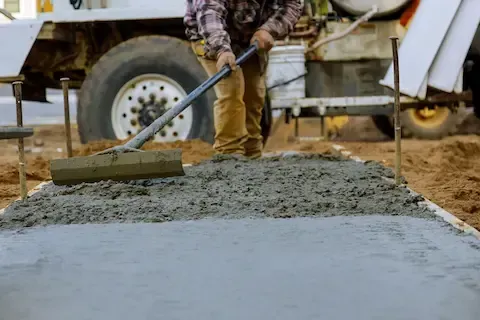
Place concrete systematically, starting at one end and working toward your exit point. Avoid walking on freshly placed concrete, which creates weak spots and surface defects. Use a screed board to level concrete to proper thickness, typically 4 inches for residential walkways.
Work quickly but carefully during placement. Concrete begins setting within 30-45 minutes in typical Oregon temperatures. Cold weather slows curing while hot weather accelerates it, requiring timing adjustments throughout the year.
Joint Spacing and Control Measures
Control joints prevent random cracking in your Gresham walkway. Space joints every 4-5 feet for standard 4-inch thick walkways. Joint depth should equal 25% of slab thickness, creating predetermined breaking points that control crack location.
Cut control joints within 6-12 hours after concrete placement using a concrete saw. Early cutting prevents random cracks while the concrete is still workable. sidewalk repair often involves addressing issues that could have been prevented with proper joint spacing.
Expansion joints become necessary where your walkway meets existing concrete structures. Use fiber expansion joint material to accommodate thermal movement and settling. Gresham's temperature swings require flexible connections between concrete elements.
Consider decorative joint patterns that complement your home's architecture. Joints can create visual interest while serving their structural function. Stamped patterns and colored concrete often incorporate joint locations into the overall design.
Surface Finishing for Weather Resistance
Surface finish selection affects both appearance and safety in Gresham's wet climate. Smooth finishes look attractive but become slippery when wet. Broom finishes provide better traction for pedestrians during rain and occasional ice conditions.
Float the concrete surface after initial bleeding stops. Use a bull float for large areas and hand floats for detail work around edges and joints. Proper floating eliminates surface imperfections while bringing cream to the surface for finishing.
Apply your chosen texture while concrete remains workable. Broom finishes work best when dragged perpendicular to the walkway direction, creating channels that shed water effectively. Light broom finishes provide adequate traction without collecting debris.
Edge walkway perimeters with an edging tool to create clean, professional-looking borders. Well-defined edges resist chipping and provide visual separation from surrounding landscape materials.
Curing and Weather Protection
Proper curing ensures your Gresham walkway reaches full strength and durability. Keep concrete surfaces moist for at least 7 days after placement. In Oregon's dry summer months, this requires regular misting or covering with plastic sheeting.
Cold weather curing requires protection from freezing. Fresh concrete damaged by freezing never reaches full strength. Use insulating blankets or temporary enclosures when temperatures drop below 40°F during the first 72 hours after placement.
Hot weather accelerates curing but can cause surface defects. Shade fresh concrete during hot summer days and apply curing compounds to retain moisture. Rapid moisture loss creates weak surface layers that dust and spall over time.
Remove forms and restraints carefully after concrete reaches adequate strength, typically 24-48 hours depending on conditions. Premature removal can damage edges while leaving forms too long can stain concrete surfaces.
Drainage Integration and Landscaping
Integrate your walkway with existing drainage systems around your Gresham property. Direct runoff toward appropriate collection areas rather than neighboring properties or foundation walls. French drains or catch basins may be needed in areas with heavy runoff.
Grade surrounding landscape to complement walkway drainage. Create gentle slopes that direct water away from the concrete surface while preventing erosion. Gresham's winter rains can wash soil onto walkways if proper grading isn't maintained.
Select appropriate landscaping materials adjacent to your walkway. Plants requiring frequent irrigation can oversaturate walkway base materials, leading to settling problems. Choose drought-tolerant species that don't require irrigation systems near concrete surfaces.
Install landscape edging that prevents soil migration onto walkway surfaces. Concrete, steel, or plastic edging maintains clean lines while protecting your investment. Proper edging also simplifies maintenance and snow removal.
Long-term Maintenance Considerations
Regular maintenance extends walkway life significantly in Gresham's climate conditions. Clean surfaces annually to remove moss, algae, and debris that can cause staining and create slip hazards. Power washing works well for routine cleaning but avoid excessive pressure that can damage surface texture.
Seal concrete walkways every 2-3 years to protect against moisture penetration and freeze-thaw damage. Choose sealers appropriate for Oregon's wet climate - penetrating sealers often perform better than surface coatings in high-moisture environments.
Address minor cracks promptly before they expand. Small cracks can be repaired with concrete crack filler, while larger issues may require professional assessment. For comprehensive solutions to walkway problems, consider our stamped concrete walkthrough for replacement projects that add decorative value.
Monitor joint condition annually and reseal as needed. Deteriorated joint sealant allows water penetration that can damage base materials and cause settling. Proper joint maintenance prevents expensive repair work later.
Plan for snow and ice removal procedures that won't damage your walkway surface. Avoid metal shovels and harsh chemicals that can chip or stain concrete. Rock salt alternatives designed for concrete surfaces provide safer ice melting without long-term damage.
