When to Repair vs Replace Concrete in Gresham Oregon
Deciding whether to repair or replace concrete in Gresham, Oregon depends on the extent of damage, the age of the slab, and the cost difference between options. Surface cracks under a quarter-inch wide, minor spalling, or small sunken sections usually warrant repair. If your concrete is over 25 years old, has widespread structural cracking, severe frost heave damage, or repair costs exceed 50 percent of replacement cost, replacement is the smarter investment. Oregon's wet winters and freeze-thaw cycles accelerate deterioration, making this a decision worth getting right the first time.
What Types of Concrete Damage Can Be Repaired?
Not all concrete damage signals the end of a slab's useful life. In Gresham, many homeowners deal with surface-level problems that respond well to targeted repair work. Hairline cracks and cracks narrower than a quarter inch can be filled with polyurethane or epoxy injection. Minor surface spalling — where the top layer flakes away — can be addressed with a resurfacing overlay. Small sunken sections caused by soil settling under one or two slabs can often be lifted and stabilized through mudjacking or foam injection without replacing the entire surface. If the damage is isolated to a small area and the surrounding concrete is structurally sound, repair is almost always the cost-effective first step. Concrete Repair professionals can assess whether the underlying base is still stable before recommending any scope of work.
When Does Concrete Damage Require Full Replacement?
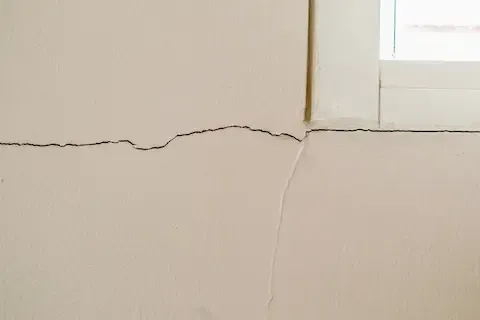
Some damage goes beyond what patching can fix. Structural cracking — where cracks run through the full depth of the slab, shift vertically, or form a pattern across a large section — means the slab itself has failed. In Gresham's climate, freeze-thaw cycles through the winter months push water into existing cracks, expand them, and compromise the slab from within. If you see widespread scaling, multiple heaved sections, or crumbling edges across more than a third of your driveway or patio, replacement will deliver better long-term value. Concrete that has been patched repeatedly without lasting results is also telling you the base or the slab design is the root problem. Replacement lets you address drainage, subbase compaction, and slab thickness all at once.
How Does Age Affect the Repair vs Replace Decision?
Concrete in residential settings typically has a useful life of 25 to 30 years with reasonable maintenance. If your Gresham driveway or walkway was poured before the late 1990s, factor age into your cost thinking. A repair on a 30-year-old slab may hold for a few years, but you are investing money into a surface that is near the end of its structural window. Younger slabs — under 15 years old — that show isolated damage are strong candidates for repair, especially if the original pour was done with proper base preparation. For slabs in the 15-to-25-year range, get a professional evaluation before committing to either path. The condition of the subbase and the reinforcement matters as much as the surface appearance.
How Do You Compare Repair and Replacement Costs in Gresham?
Concrete repair in the Gresham and Portland metro area typically runs between $3 and $7 per square foot for surface work, while full slab replacement ranges from $6 to $12 per square foot depending on thickness, access, and disposal costs. The 50 percent rule is a useful benchmark: if the cost of repair approaches or exceeds half the cost of replacement, replacement usually makes more financial sense. Keep in mind that repair costs can compound over time. Two or three separate repair visits over five years may total more than a single replacement would have cost upfront. Get itemized estimates for both options before deciding. You can also read this Concrete Repair comparison for additional context on freeze-thaw damage specific to this region.
What Local Factors in Gresham Oregon Affect This Decision?
Gresham sits at the eastern edge of the Portland metro area where elevation changes, proximity to the Columbia River Gorge, and heavier precipitation patterns create specific challenges for concrete. Freeze-thaw cycling is more frequent here than in central Portland, meaning cracks open and close repeatedly throughout winter. Homes on the slopes above downtown Gresham often experience greater soil movement due to drainage patterns, which affects slab stability. Neighborhoods near Rockwood and Pleasant Valley see clay-heavy soils that shift seasonally. These local conditions mean surface repairs on compromised slabs tend to fail sooner than they would in areas with more stable substrates. When a professional evaluates your concrete in Gresham, local soil and climate knowledge should be part of that assessment, not just a visual inspection of the surface.
What Questions Should You Ask Before Making a Final Decision?
Before committing to repair or replacement, get clear answers to these questions from your contractor. First, is the subbase stable, or is there settlement, erosion, or organic material underneath? Second, is the damage structural or cosmetic? Third, how old is the slab and has it been repaired before? Fourth, what is the realistic lifespan of the repair versus a new pour? Fifth, does the repair address the root cause or just the symptom? A qualified contractor working in the Gresham area will be able to answer all of these without pushing you toward the higher-cost option by default. The right answer depends on your specific slab, your budget, and how long you plan to stay in the property.
