Freeze Thaw Damage on Gresham OR Concrete Driveways
Freeze-thaw cycles in Gresham's climate create specific patterns of concrete deterioration that homeowners need to recognize early. When water penetrates your driveway's surface and freezes, it expands with tremendous force, creating internal pressure that gradually breaks down the concrete matrix. This process accelerates during Oregon's winter months when temperatures fluctuate around the freezing point, causing repeated expansion and contraction cycles that weaken your driveway's structural integrity.
Understanding Freeze-Thaw Mechanics in Concrete
The freeze-thaw process begins when water infiltrates concrete through microscopic pores, cracks, or inadequately sealed surfaces. As temperatures drop below 32°F, this trapped water expands approximately 9% in volume, creating hydraulic pressure within the concrete structure. In Gresham's climate, where winter temperatures frequently oscillate above and below freezing, this cycle repeats dozens of times each season, gradually enlarging existing weaknesses and creating new fracture points.
Concrete's vulnerability to freeze-thaw damage depends heavily on its original mix design, curing conditions, and age. Driveways installed without proper air entrainment or those with high water-cement ratios show greater susceptibility to this type of deterioration. The process compounds over time, as initial surface damage allows deeper water penetration, accelerating the degradation cycle.
Identifying Early Signs of Freeze-Thaw Damage
Surface scaling represents the earliest visible sign of freeze-thaw damage, appearing as thin layers of concrete that flake or peel away from the driveway surface. This scaling typically begins near expansion joints, edges, or areas where water naturally pools. You'll notice small concrete chips or powder accumulating along these vulnerable zones after freeze events.
Spalling develops as the damage progresses, creating larger areas where chunks of concrete break away, exposing the aggregate beneath. Unlike surface scaling, spalling penetrates deeper into the concrete matrix and often reveals a rough, pitted texture. These damaged areas typically measure several inches across and may show irregular, crater-like patterns where the concrete has failed under repeated freeze-thaw stress.
Pop-outs occur when individual pieces of aggregate expand and contract at different rates than the surrounding concrete matrix. These appear as small, cone-shaped holes where stones or aggregate particles have been forced out of the surface. Pop-outs often indicate that the original concrete mix contained reactive aggregate materials that exacerbate freeze-thaw susceptibility.
Assessing Damage Severity and Repair Urgency
Surface-level damage covering less than 10% of your driveway's area can often be addressed with targeted repairs and preventive treatments. However, when scaling or spalling affects more than 25% of the surface, or when damage penetrates deeper than one inch, replacement becomes the more cost-effective long-term solution.
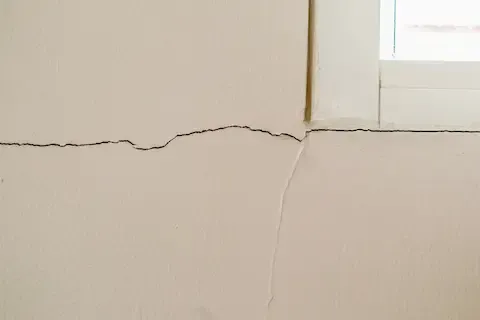
Structural integrity concerns arise when freeze-thaw damage creates continuous crack networks that compromise load-bearing capacity. Look for interconnected cracks that run across multiple sections of your driveway, especially those that show vertical displacement or settlement. These patterns indicate that the damage has progressed beyond surface-level issues and may require professional Concrete Repair evaluation.
Consider the age and overall condition of your driveway when making repair decisions. Driveways older than 20 years with widespread freeze-thaw damage often benefit more from complete replacement rather than extensive patching, particularly when factoring in the improved durability of modern concrete mixes and installation techniques.
Repair Sequencing for Optimal Results
Successful freeze-thaw damage repair requires careful timing and proper surface preparation. Begin repairs during dry weather when temperatures will remain above 50°F for at least 48 hours after completion. This temperature stability ensures proper curing and prevents additional freeze damage to fresh repair materials.
Remove all loose or damaged concrete before applying repair products, cleaning the affected areas down to sound concrete. Use mechanical methods like chipping hammers or grinders rather than chemical treatments that might interfere with bonding. The repair area should have clean, roughened edges that provide good mechanical bonding surface for new concrete or patching compounds.
Preventive Measures for Gresham Driveways
Proper sealing provides the primary defense against freeze-thaw damage by preventing water infiltration. Apply high-quality concrete sealers every 2-3 years, timing applications for late summer or early fall before winter weather arrives. Choose penetrating sealers rather than topical coatings for driveways, as penetrating products allow moisture vapor transmission while blocking liquid water entry.
Maintain proper drainage around your driveway to minimize standing water that can penetrate concrete during freeze cycles. Clean gutters and downspouts regularly, ensuring water diverts away from the driveway surface. Address low spots or settled areas that collect water, as these zones experience the most severe freeze-thaw stress.
Winter maintenance practices significantly impact freeze-thaw damage development. Avoid using rock salt or calcium chloride deicers on concrete surfaces, as these chemicals can accelerate scaling and spalling. Instead, use sand for traction or magnesium chloride products specifically formulated for concrete applications. Remove snow and ice promptly to minimize the duration of freeze-thaw cycles on your driveway surface.
Professional Assessment and Repair Considerations
Professional evaluation becomes necessary when damage covers significant portions of your driveway or when you're uncertain about the appropriate repair approach. Experienced contractors can assess whether the existing concrete base remains sound or if subsurface issues contribute to the deterioration pattern. They can also determine if the original installation lacked proper air entrainment or other freeze-thaw protection measures.
Modern repair techniques include specialized concrete mixes designed for freeze-thaw resistance, incorporating air-entraining agents and supplementary cementitious materials that improve durability. Professional repairs often include improved joint sealing and surface treatments that provide better long-term protection against moisture infiltration.
For comprehensive guidance on identifying and addressing various types of concrete damage beyond freeze-thaw issues, homeowners can reference our Concrete Repair walkthrough for detailed information on assessment techniques and repair strategies.
Long-Term Protection Strategies
Implementing a proactive maintenance schedule helps extend your driveway's lifespan and minimize freeze-thaw damage accumulation. Document damage locations and severity each spring, creating a baseline for monitoring deterioration progression. This documentation helps identify patterns that might indicate underlying issues requiring professional attention.
Consider upgrading to air-entrained concrete during replacement projects, as this material provides significantly better freeze-thaw resistance. Air entrainment creates microscopic air bubbles throughout the concrete matrix, providing expansion space for freezing water and reducing hydraulic pressure damage. While this upgrade involves higher initial costs, it substantially reduces long-term maintenance requirements and extends service life in Gresham's climate conditions.
