Concrete Repair Handbook for Gresham OR Homeowners
Concrete surfaces around your Gresham home face unique challenges from Oregon's wet winters and temperature fluctuations. Understanding when to repair versus replace concrete, identifying different crack types, and knowing your repair options can save you thousands of dollars while maintaining your property's value and safety.
Understanding Concrete Damage Types in Gresham
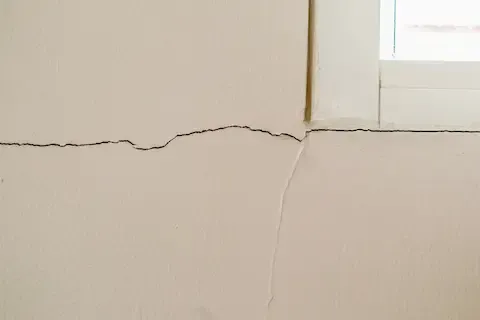
Different types of concrete damage require different repair approaches. Settlement cracks typically appear as straight lines and indicate soil movement beneath your concrete. These are common in Gresham due to the region's clay-rich soils that expand and contract with moisture changes.
Shrinkage cracks form during the curing process and appear as random patterns across the surface. While concerning to homeowners, these hairline cracks are often cosmetic and don't require immediate repair unless they widen over time.
Freeze-thaw damage creates scaling and spalling, where the concrete surface flakes or chips away. This damage accelerates during Gresham's winter months when trapped moisture freezes and expands within the concrete pores.
Structural cracks run deeper and may indicate foundation issues or inadequate reinforcement. These cracks often appear wider than a quarter-inch and may show vertical displacement between concrete sections.
Seasonal Inspection Guidelines for Oregon Weather
Your concrete inspection schedule should align with Gresham's weather patterns. Perform thorough inspections in early spring after the last frost to assess winter damage. Look for new cracks, expanded existing cracks, or surface scaling that may have developed during freeze-thaw cycles.
Summer inspections focus on settlement issues that become apparent as the ground dries and compacts. Check for sinking or tilting sections, particularly around your driveway and walkways where drainage may have shifted soil beneath the concrete.
Fall inspections prepare your concrete for winter. Clean debris from expansion joints, seal any new cracks to prevent water infiltration, and address drainage issues that could cause problems during the rainy season.
Monthly visual checks throughout the year help you catch problems early. Note any changes in crack size, new staining patterns, or areas where water pools after rain.
DIY Repair Thresholds and Safety Considerations
Hairline cracks smaller than 1/8 inch wide are typically suitable for DIY repair using concrete crack filler or hydraulic cement. These materials work well for non-structural surface cracks that don't show signs of movement.
Cracks wider than 1/4 inch or those showing vertical displacement require professional assessment. Attempting to repair structural issues without proper evaluation can mask serious problems and create safety hazards.
Surface repairs like patching small holes or applying concrete resurfacer fall within most homeowners' capabilities. However, ensure proper surface preparation and follow manufacturer instructions for temperature and humidity requirements during application.
Any repair involving structural elements, drainage modifications, or work near utility lines requires professional expertise. The cost of improper repairs often exceeds the investment in professional Concrete Repair services.
Professional Repair Methods and Applications
Concrete resurfacing involves applying a new layer over existing concrete to restore appearance and add protective coating. This method works well for surfaces with minor scaling or cosmetic issues but requires the underlying concrete to be structurally sound.
Slab jacking or mudjacking raises sunken concrete by pumping material beneath the slab. This technique proves cost-effective for driveways and walkways that have settled due to soil compaction or erosion.
Crack injection using polyurethane or epoxy materials provides permanent repair for structural cracks. Professional contractors use specialized equipment to ensure proper penetration and bonding throughout the crack depth.
Full depth repairs involve cutting out damaged sections and replacing them with new concrete. This method addresses severe damage while maintaining the integrity of surrounding concrete.
Repair Versus Replacement Decision Framework
Age plays a crucial role in repair decisions. Concrete older than 25-30 years may benefit more from replacement, especially if multiple repair areas exist or the surface shows widespread deterioration.
Damage extent determines cost-effectiveness. If repairs would cover more than 40% of the surface area, replacement often provides better long-term value and eliminates ongoing maintenance concerns.
Structural integrity issues always warrant professional evaluation. Cracks that continue to move, sections that have shifted vertically, or areas showing signs of reinforcement corrosion may require replacement for safety reasons.
Budget considerations include both immediate costs and long-term maintenance. While repairs cost less upfront, multiple repair cycles may exceed replacement costs over time.
Local Building Code and Permit Requirements
Gresham building codes require permits for concrete work exceeding certain thresholds. Replacement of driveways, patios over 200 square feet, or any structural concrete work typically requires permit approval.
Setback requirements affect concrete placement near property lines. Understanding these regulations prevents costly mistakes and ensures compliance with city ordinances.
Drainage requirements mandate proper slope and water management for new concrete installations. These standards protect both your property and neighboring properties from water damage.
Professional contractors handle permit applications and ensure work meets local codes. This service adds value beyond the physical repair work and protects you from compliance issues.
Preventive Maintenance Strategies
Regular cleaning removes debris that can trap moisture and accelerate damage. Use mild detergents and avoid harsh chemicals that may weaken the concrete surface or damage sealers.
Sealing concrete every 2-3 years provides protection against moisture infiltration and freeze-thaw damage. Choose sealers appropriate for your specific concrete type and local climate conditions.
Proper drainage prevents water from pooling around concrete surfaces. Maintain gutters, downspouts, and surface grades to direct water away from concrete areas.
Winter protection includes removing ice and snow promptly and avoiding deicing salts that can cause scaling damage. Use sand or non-salt alternatives for traction when needed.
Cost Analysis and Budget Planning
Repair costs vary significantly based on damage type and extent. Surface crack repairs may cost $200-500, while structural repairs can range from $1,000-5,000 depending on the scope of work required.
Replacement costs provide a baseline for comparison. New driveway installation typically costs $8-15 per square foot, while decorative concrete options range higher.
Long-term value considerations include maintenance requirements, durability expectations, and impact on property values. Quality repairs extend concrete life and protect your investment.
Financing options may be available for larger projects. Some contractors offer payment plans, and home improvement loans can spread costs over time while providing immediate benefits.
Choosing Qualified Contractors in Gresham
Licensing verification ensures contractors meet state and local requirements. Oregon requires concrete contractors to hold appropriate licenses and maintain liability insurance.
Experience with local conditions matters significantly. Contractors familiar with Gresham's soil types, drainage challenges, and climate patterns provide better solutions than those lacking local expertise.
References from recent projects allow you to assess work quality and customer satisfaction. Request contacts for projects similar to yours and inspect completed work when possible.
Detailed estimates should include material specifications, timeline, warranty information, and cleanup procedures. Compare multiple proposals to understand market rates and service differences. For additional insights on concrete work, consider reading about our patio installation walkthrough to understand the construction process better.
Understanding your options empowers you to make informed decisions about concrete repair and maintenance. Whether addressing immediate damage or planning preventive measures, the right approach protects your investment and ensures safe, durable concrete surfaces around your Gresham home.
