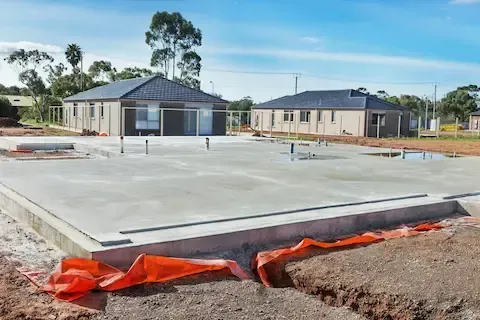
Plan a Concrete Slab Pour for Gresham OR Properties
Planning a concrete slab pour for your Gresham property requires careful consideration of local soil conditions, weather patterns, and specific project requirements. Whether you're building a foundation for a new garage, workshop, or storage shed, proper planning ensures a durable concrete surface that will withstand decades of use in Oregon's challenging climate.
Site Assessment and Soil Preparation
Gresham's clay-heavy soil presents unique challenges for concrete slab construction. The area's expansive clay soils can shift and settle, potentially causing cracks or uneven surfaces if not properly addressed during the planning phase. Before beginning any concrete work, conduct a thorough soil analysis to determine the bearing capacity and drainage characteristics of your site.
Remove all organic material, including grass, roots, and topsoil, down to stable subgrade. In Gresham's climate, this typically means excavating 6 to 8 inches below the planned slab elevation. The clay soils common in the area require additional attention to compaction and moisture content. Test the subgrade moisture levels and compact to at least 95% of maximum density to prevent future settlement issues.
Install a proper drainage system around the perimeter if your slab will be subject to water exposure. Gresham receives significant rainfall throughout the year, making adequate drainage essential for long-term slab performance. Consider installing French drains or other water management systems to direct moisture away from the concrete surface.
Base Material Selection and Installation
The base layer beneath your concrete slab serves as a stable platform and helps with drainage. For Gresham projects, use a minimum 4-inch layer of crushed rock or gravel base, though 6 inches is preferable for larger slabs or those supporting heavy loads like vehicles or equipment.
Select base materials with good drainage characteristics. Three-quarter-inch minus crushed rock works well in Oregon's wet conditions, providing both stability and drainage. Avoid using sand as a base material in clay soil areas, as it can create drainage problems and lead to uneven settling.
Compact the base material in 2-inch lifts using a plate compactor or similar equipment. Proper compaction is crucial for preventing future settlement that could crack your finished slab. The compacted base should be level and uniform, providing consistent support across the entire slab area.
Vapor Barrier Installation
Install a vapor barrier over the compacted base to prevent moisture migration from the soil into the concrete. Use 6-mil polyethylene sheeting or specialized concrete vapor barriers. Overlap seams by at least 6 inches and seal with appropriate tape to create a continuous moisture barrier.
In Gresham's high-humidity environment, vapor barriers help prevent issues like efflorescence, mold growth, and degradation of floor coverings that might be installed over the slab later. Position the barrier carefully to avoid tears during concrete placement.
Slab Design and Reinforcement Planning
Standard residential slabs in Gresham typically require 4-inch thickness for light-duty applications like shed floors or walkways. Garage slabs and areas supporting vehicles need 6-inch thickness minimum. For heavy equipment storage or commercial applications, consider 8-inch or thicker slabs with appropriate reinforcement.
Reinforcement requirements depend on the intended use and local building codes. Most residential slabs benefit from welded wire mesh or rebar reinforcement. For Concrete Slabs supporting vehicles, use #4 rebar on 18-inch centers both ways, positioned in the upper third of the slab thickness.
Control joints help manage cracking by providing predetermined weak points where cracks can form in straight lines. Plan control joints at 8 to 10-foot intervals in both directions for standard slabs. Joints should extend at least one-quarter of the slab thickness and be installed within 12 hours of concrete placement.
Edge Details and Thickened Edges
Design thickened edges where the slab will support walls or heavy loads. Typical residential applications require edge thickening to 8 inches deep and 16 inches wide. This provides additional bearing surface and helps prevent edge cracking under load.
Plan for any penetrations, anchors, or embedded items before concrete placement. Mark locations for anchor bolts, electrical conduits, or plumbing penetrations on your site plan. Having these items properly positioned and secured before concrete placement saves time and ensures accurate installation.
Concrete Mix Design and Ordering
Select an appropriate concrete mix for your specific application and local conditions. Standard residential slabs typically use 3,000 PSI concrete, though 4,000 PSI provides better durability for exterior applications exposed to freeze-thaw cycles common in the Gresham area.
Consider adding air entrainment to improve freeze-thaw resistance. Oregon's winter temperatures can cause significant damage to concrete without proper air entrainment. Request 5 to 7 percent entrained air for exterior slabs exposed to weather conditions.
Calculate concrete quantities carefully to avoid shortages or excess material. A standard formula multiplies length times width times thickness (in feet) times 0.037 to determine cubic yards needed. Add 10 percent to account for waste and variations in subgrade elevation.
Delivery Scheduling and Access Planning
Coordinate concrete delivery timing with your placement crew availability and weather conditions. Avoid placing concrete when temperatures are below 40 degrees Fahrenheit or above 85 degrees Fahrenheit without special precautions. Gresham's wet season requires covered placement areas or scheduling during dry periods.
Ensure adequate access for concrete trucks to reach the placement area. Standard ready-mix trucks need 14 feet of overhead clearance and firm, level ground capable of supporting 80,000-pound vehicles. Plan alternate delivery methods like concrete pumps for areas with limited access.
Weather Considerations for Gresham Projects
Oregon's climate presents specific challenges for concrete placement and curing. The region's wet winters and variable spring and fall weather require careful scheduling and preparation. Plan concrete pours during stable weather periods with temperatures between 50 and 75 degrees Fahrenheit for optimal curing conditions.
Protect fresh concrete from rain using plastic sheeting or temporary structures. Even light rain can damage the surface finish and affect strength development. Monitor weather forecasts closely and have protection measures ready before beginning placement.
Cold weather concreting requires special considerations. When temperatures drop below 50 degrees Fahrenheit, use heated concrete mixes or insulation blankets to maintain proper curing temperatures. Hot weather placement may require cooling measures like chilled mixing water or ice to prevent rapid moisture loss.
Common Planning Mistakes to Avoid
Inadequate soil preparation is the most common cause of slab problems in the Gresham area. Failing to properly address clay soil conditions or skipping soil compaction testing leads to settlement and cracking issues that are expensive to repair later. Always invest in proper site preparation even if it increases initial costs.
Underestimating concrete quantities or failing to order backup supplies can result in cold joints or incomplete pours. Calculate material needs conservatively and maintain relationships with reliable suppliers who can provide emergency deliveries if needed.
Insufficient planning for finishing operations often results in poor surface quality or delayed control joint installation. Organize your crew and tools before concrete arrives, and ensure adequate lighting for evening work if placement extends past daylight hours.
Neglecting curing requirements reduces final strength and durability. Plan for proper moisture retention using curing compounds, plastic sheeting, or continuous water application for at least seven days after placement. This is particularly important in Gresham's dry summer months when rapid moisture loss can occur.
Local Building Code Requirements
Gresham follows Oregon State Building Codes with some local amendments that affect concrete slab construction. Verify permit requirements before beginning work, as most concrete slabs require building permits and inspections. Submit detailed plans showing slab thickness, reinforcement details, and site drainage provisions.
Seismic considerations may affect reinforcement requirements for larger slabs or those supporting structures. Oregon's seismic activity requires special attention to connection details between slabs and supported structures. Consult with local building officials about specific requirements for your project.
Environmental regulations may affect concrete washout and waste disposal. Plan for proper cleanup and disposal of excess concrete materials in compliance with local environmental protection requirements. Many areas require designated washout areas away from storm drains and waterways.
Professional Consultation and Execution
Complex projects benefit from professional engineering consultation, particularly when dealing with unusual soil conditions or heavy load requirements. Structural engineers can provide specific recommendations for reinforcement and thickness based on your intended use and site conditions.
Even experienced contractors should consider professional concrete placement services for larger projects. Ready-mix suppliers often provide experienced crews familiar with local conditions and requirements. This can result in better quality outcomes and reduced liability compared to self-performed work.
For guidance on addressing existing concrete issues before your new project, review our Concrete Repair walkthrough to understand how proper repairs integrate with new construction planning. Understanding repair techniques helps you avoid similar problems in your new slab design.
Document all phases of your concrete slab project with photographs and maintain records of mix designs, test results, and inspection reports. This documentation provides valuable information for future maintenance and can help resolve any warranty or performance issues that might arise.
