Plan a Backyard Concrete Patio in Gresham Oregon Yards
Planning a backyard concrete patio in Gresham requires careful consideration of the Pacific Northwest's unique climate conditions, soil characteristics, and seasonal weather patterns. Your concrete patio will serve as an outdoor living space for years to come, making proper planning essential for both functionality and durability. The key lies in addressing drainage, material selection, size requirements, and design elements that complement Gresham's natural landscape while withstanding wet winters and dry summers.
Essential Site Assessment and Preparation
Begin your patio planning by evaluating your backyard's existing conditions. Gresham's clay-heavy soil requires proper drainage solutions to prevent water pooling and foundation issues. Walk your yard during different weather conditions to identify natural water flow patterns and low-lying areas that collect moisture. These observations will guide your patio placement and drainage planning.
Measure your available space and consider how the patio will connect to your home's existing architecture. Most Gresham homeowners find that patios ranging from 200 to 400 square feet provide adequate space for outdoor dining and entertaining. However, larger families or those who frequently host gatherings may prefer 600 square feet or more.
Consider sun exposure throughout the day and across seasons. Gresham's position in the Portland metro area means your patio will experience varying light conditions. South-facing patios receive maximum sunlight during winter months when outdoor warmth is most valuable, while east-facing locations provide pleasant morning sun without intense afternoon heat during summer.
Drainage Solutions for Pacific Northwest Weather
Proper drainage represents the most critical aspect of concrete patio planning in Gresham. The region's annual rainfall of approximately 45 inches, concentrated primarily between October and May, demands robust water management systems. Your patio must slope away from your home's foundation at a minimum grade of 2% or one-quarter inch per foot.
Install French drains or channel drains around the patio perimeter if your yard has poor natural drainage. These systems collect surface water and direct it toward appropriate drainage areas, preventing pooling that can damage concrete and create safety hazards. Consider permeable concrete options that allow water infiltration while maintaining surface stability.
Plan for gutters and downspouts that may direct water toward your patio area. Extend downspouts beyond the patio boundaries or install splash blocks to divert water flow. Professional patio installation includes comprehensive drainage assessment and solutions tailored to your specific site conditions.
Size and Layout Considerations
Your patio size should accommodate your intended activities while fitting proportionally within your landscape. Standard dining tables require approximately 10 by 12 feet of space, including chair clearance. Add seating areas, fire features, or outdoor kitchens according to your lifestyle preferences and available space.
Consider traffic flow between your patio and home entrances, garden areas, and other outdoor features. Create natural pathways that feel comfortable and logical for daily use. Avoid placing patios too close to property lines unless privacy fencing provides adequate screening from neighbors.
Think about future landscape changes and how they might affect your patio's functionality. Trees planted today will grow significantly over the patio's lifetime, potentially affecting sun exposure and root systems that could impact concrete stability. Plan for adequate clearance from existing mature trees, particularly those prone to root spread.
Concrete Types and Finish Options
Select concrete mixes appropriate for Gresham's freeze-thaw cycles and moisture conditions. Standard concrete works well for basic applications, but consider air-entrained concrete that includes microscopic air bubbles to prevent cracking during temperature fluctuations. This becomes particularly important given Gresham's occasional winter freezing and spring thawing cycles.
Decorative finish options include stamped concrete that mimics natural stone, brick, or tile patterns. Popular choices in the Pacific Northwest include slate and flagstone patterns that complement the region's natural aesthetic. Exposed aggregate finishes provide excellent slip resistance for wet conditions while offering attractive texture and color variation.
Color options range from natural gray to earth tones that blend with Gresham's forest surroundings. Consider how colors will appear when wet, as patios in this region spend considerable time under moisture conditions. Darker colors may show water spots less readily than lighter alternatives. Thickness is the other half of that decision, and our guide to patio slab thickness in Gresham covers what furniture, grills, and hot tubs each require.
Surface Texture for Safety
Safety considerations require textured surfaces that provide traction during wet conditions. Smooth concrete becomes slippery when wet, creating liability concerns for family members and guests. Broom finishes offer basic texture, while stamped patterns provide both aesthetic appeal and functional grip.
Avoid overly aggressive textures that become uncomfortable for bare feet during summer use. Find balance between safety and comfort, particularly if children will use the space regularly. Test texture samples when possible to evaluate both wet and dry traction characteristics.
Climate-Specific Design Elements
Gresham's climate influences several design decisions beyond basic drainage and material selection. Plan for covered areas or pergola attachments that extend patio usability during light rain periods. Many homeowners discover that partially covered patios significantly increase outdoor time throughout the year.
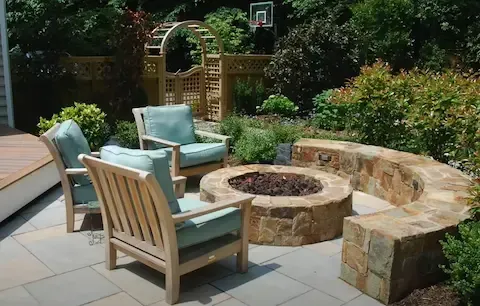
Consider heating elements such as fire pits, outdoor fireplaces, or infrared heaters that extend comfortable outdoor seasons. These features require planning during initial construction for proper clearances, utility connections, and safety considerations. Gas lines, electrical connections, and ventilation requirements affect patio layout and size.
Wind exposure varies significantly across Gresham depending on your property's location relative to the Columbia River Gorge and surrounding topography. Plan windbreaks or positioning that takes advantage of natural protection from existing structures and landscaping.
Integration with Existing Landscape
Your patio should complement existing landscape features while creating opportunities for future improvements. Consider how the patio edges will transition to lawn areas, garden beds, or natural landscape features. Curved edges often integrate more naturally than rigid geometric shapes, though rectangular patios may better suit contemporary home styles.
Plan for planters, border gardens, or integrated landscape lighting that will enhance the patio's evening usability and year-round appeal. These elements require consideration during initial design rather than afterthought additions that may appear disconnected or compromise structural integrity.
Think about privacy and screening from neighboring properties. Strategic placement can take advantage of existing natural screening while identifying areas where additional landscaping may be needed. Mature hedges, fence installations, or decorative screens affect both patio placement and size decisions.
Utility Planning and Future Modifications
Plan utility access for features you may want to add later, even if not included in initial construction. Electrical conduits for lighting, water lines for outdoor kitchens or fire features, and gas lines for heating elements or grills require installation before concrete placement.
Consider locations for outdoor furniture storage, particularly during Gresham's wet winter months when patio furniture typically requires protection. Built-in storage solutions or designated areas for temporary structures like gazebos or market umbrellas affect patio size and layout planning.
Our driveway repair walkthrough demonstrates similar planning principles that apply to patio projects, including proper preparation and attention to regional weather conditions.
Professional Installation Considerations
Professional installation ensures compliance with local building codes and proper execution of drainage solutions critical for Gresham's climate. Experienced contractors understand regional soil conditions, permit requirements, and construction techniques that provide long-term durability and performance.
Obtain multiple quotes that detail material specifications, drainage solutions, and finish options. Compare not just pricing but also warranty terms, timeline estimates, and contractor experience with similar projects in the Gresham area. Local contractors familiar with regional conditions often provide superior results compared to companies without Pacific Northwest experience.
Schedule installation during appropriate weather windows, typically late spring through early fall when temperatures remain consistently above freezing and rainfall is minimal. Proper curing requires protection from excessive moisture and temperature extremes that can affect final concrete strength and appearance.
Planning your backyard concrete patio in Gresham requires balancing practical considerations with design preferences while accounting for the Pacific Northwest's unique climate demands. Success depends on thorough site assessment, appropriate material selection, comprehensive drainage planning, and professional installation techniques. Your investment in proper planning ensures decades of outdoor enjoyment regardless of Gresham's weather conditions.
