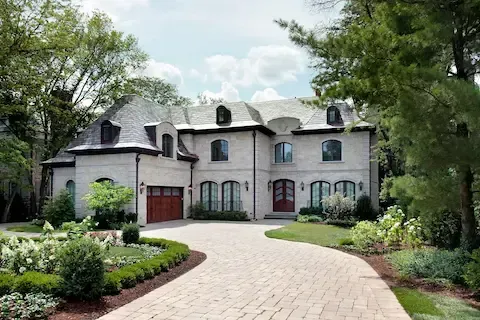
Concrete vs Asphalt Driveway Cost in Gresham Oregon
Choosing between concrete and asphalt for your driveway in Gresham involves balancing upfront costs against long-term durability, especially given Oregon's wet winters and temperature fluctuations. While asphalt typically costs $3-7 per square foot installed, concrete runs $6-12 per square foot, but the initial price difference tells only part of the story when you factor in maintenance requirements and lifespan expectations in the Pacific Northwest climate.
Initial Installation Costs
Asphalt driveways in Gresham typically cost between $3,000-$5,600 for a standard two-car driveway, while concrete installations range from $4,800-$9,600 for the same size. The price gap stems from material costs and installation complexity. Asphalt uses petroleum-based binders mixed with aggregate, creating a flexible surface that's faster to install. Concrete requires more precise preparation, including proper base compaction and finishing techniques that extend installation time.
Several factors influence these base costs in the Gresham area. Soil conditions vary significantly across the region, with some areas requiring additional excavation or stabilization. Properties near Powell Butte or in the Springwater Corridor may need extra drainage considerations due to clay-heavy soils. Site accessibility also affects pricing - driveways requiring hand-mixing or specialized equipment access typically add 15-25% to base installation costs.
For homeowners considering driveway repair versus replacement, the decision often comes down to existing damage extent. Surface cracks in asphalt can sometimes be sealed cost-effectively, while concrete repairs tend to be more visible but longer-lasting when done properly. For a breakdown of what moves a concrete quote specifically, see our guide to new driveway cost in Gresham.
Long-Term Maintenance Requirements
Asphalt driveways require seal coating every 2-3 years in Oregon's climate, costing $300-$800 per application for typical residential driveways. This protective layer prevents water penetration and oxidation from UV exposure. Without regular maintenance, asphalt surfaces begin cracking and deteriorating within 5-7 years, particularly around Gresham where freeze-thaw cycles stress the material.
Concrete maintenance involves less frequent but potentially more expensive repairs. Properly installed concrete can go 10-15 years before requiring significant attention, but when repairs are needed, they often involve section replacement rather than surface treatments. Concrete sealing, recommended every 3-5 years, costs $500-$1,200 but isn't as critical as asphalt maintenance for preventing structural damage.
Winter weather patterns in Gresham create specific maintenance challenges. Asphalt becomes more susceptible to cracking during cold snaps, while concrete handles freeze-thaw cycles better once properly cured. However, concrete can suffer from salt damage if harsh de-icing chemicals are used repeatedly.
Durability and Lifespan Comparison
Properly installed asphalt driveways last 15-20 years in Oregon's climate with consistent maintenance. The flexible nature of asphalt helps it adapt to minor ground movement, but this same flexibility makes it susceptible to rutting under heavy loads and softening during hot weather. In Gresham's typically mild summers, heat-related issues are less problematic than in hotter climates.
Concrete driveways can last 25-30 years or more when installed correctly with proper reinforcement and drainage. The rigid structure of concrete provides excellent load-bearing capacity but can crack if the base settles or if expansion joints aren't properly designed for local conditions. High-quality concrete work often includes fiber reinforcement and proper curing techniques that enhance longevity.
Climate considerations play a significant role in material performance. Oregon's wet winters can penetrate small cracks in either material, leading to freeze-thaw damage. However, concrete's lower porosity generally provides better long-term water resistance compared to asphalt.
Aesthetic and Design Flexibility
Asphalt offers limited design options beyond standard black surfaces, though seal coating can provide some color variation. The uniform appearance works well for traditional home styles but offers little customization potential. Asphalt's flexibility makes it suitable for curved driveways or irregular shapes.
Concrete provides extensive design possibilities including stamped patterns, colored surfaces, exposed aggregate finishes, and decorative borders. These options allow homeowners to complement their home's architecture and landscaping. Stamped concrete can mimic brick, stone, or other premium materials at a fraction of the cost of those actual materials.
For those interested in understanding the complete process, our driveway repair walkthrough details the steps involved in professional concrete installation, including the preparation work that ensures long-term success.
Environmental and Sustainability Factors
Asphalt's petroleum base makes it recyclable - old asphalt can be reclaimed and used in new installations. However, the production process involves higher carbon emissions, and the material continues off-gassing throughout its lifespan. Sealcoating products also contain volatile organic compounds that affect air quality.
Concrete production generates significant CO2 emissions during cement manufacturing, but the material itself is inert once cured and doesn't off-gas. Concrete's light color reflects heat better than dark asphalt, potentially reducing urban heat island effects. Additionally, concrete's longer lifespan means fewer replacement cycles over time.
Both materials can incorporate recycled content. Concrete mixes often include fly ash or other industrial byproducts, while asphalt regularly incorporates reclaimed asphalt pavement (RAP) from previous installations.
Professional Installation Considerations
Both materials require skilled installation for optimal performance, but concrete work demands more specialized knowledge of mixing, placement, and finishing techniques. Poor concrete installation can result in cracking, scaling, or uneven surfaces that are expensive to correct. The narrow window for concrete placement and finishing makes weather coordination critical.
Asphalt installation is generally more forgiving of minor variations in technique, though proper base preparation remains essential for both materials. The faster installation process means less weather risk, but quality control during the hot-mix process requires experienced crews.
Local building codes in Gresham may influence material choice, particularly regarding drainage requirements and setbacks. Professional contractors familiar with local soil conditions and climate patterns can provide valuable guidance on material selection and installation specifications.
