Concrete in Gresham Rain: Complete Guide to Pacific Northwest Weather Challenges
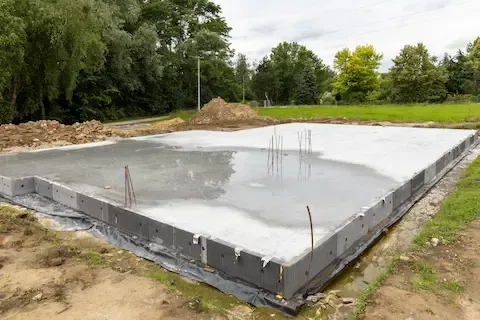
<h1>Concrete in Gresham Rain: Complete Guide to Pacific Northwest Weather Challenges</h1> <p>Gresham's rainfall patterns create unique challenges for concrete work that differ significantly from drier climates. With an average of 43 inches of rain annually, concentrated heavily between October and April, concrete installation and maintenance require specialized approaches. Water affects every phase of concrete work, from initial pouring through decades of service life. Understanding how Gresham's wet climate impacts concrete helps property owners make informed decisions about timing, materials, and long-term care.</p> <p>Rain doesn't just make concrete work inconvenient. It fundamentally changes how concrete cures, how contractors must prepare sites, and what protective measures ensure durability. A concrete pour executed perfectly in Phoenix might fail completely in Gresham if contractors don't adapt their methods to local conditions. The moisture that makes the Pacific Northwest green and beautiful also creates hydrostatic pressure, freeze-thaw damage, and erosion that concrete must withstand for decades.</p> <p>Most property owners don't realize how much Gresham's climate should influence their concrete decisions. Scheduling work during the dry season, specifying water-resistant concrete mixes, implementing proper drainage, and applying protective sealers aren't optional extras. They're essential practices that determine whether your concrete lasts 20 years or 40. This guide explains how rain affects concrete at every stage and what you can do to ensure successful outcomes despite challenging weather.</p> <h2>How Rain Affects Fresh Concrete</h2> <p>Rain falling on freshly poured concrete causes immediate, visible damage. Water disrupts the carefully balanced water-cement ratio that determines concrete strength. Concrete gains strength through a chemical process called hydration where cement particles react with water. Too little water and hydration is incomplete. Too much water weakens the final product. Rain adds uncontrolled water to the surface, diluting the cement paste and creating a weak top layer.</p> <p>Surface damage manifests in several ways. Scaling occurs when the surface layer becomes soft and flakes away. You might not see this immediately, but within months the damaged surface deteriorates rapidly. Dusting happens when excess water washes cement away, leaving a sandy, powdery surface that wears quickly under traffic. Discoloration creates permanent light patches where rainwater diluted the concrete, giving finished surfaces a blotchy, unprofessional appearance.</p> <p>Heavy rain during finishing operations makes proper surface treatment impossible. Finishers work concrete with trowels, floats, and brooms to create the desired texture and smooth the surface. Rain adds water faster than finishers can remove it, preventing proper finishing. The result is rough, uneven surfaces with poor durability. In extreme cases, heavy rain can wash cement completely off the aggregate, exposing stones and creating a rough, pitted surface.</p> <p>Structural impacts from rain are more serious than cosmetic damage. When rain saturates fresh concrete, the excess water creates channels as it evaporates during curing. These channels become pathways for future water intrusion, freeze-thaw damage, and deterioration. The concrete might look acceptable initially, but internal weakness manifests years later through cracking, spalling, and premature failure.</p> <p>Timing is critical. Concrete is most vulnerable to rain damage in the first few hours after pouring. During this period, the surface is plastic and easily disrupted. After about four to six hours, depending on temperature and mix design, concrete sets enough that light rain causes minimal damage. However, heavy rain remains problematic even after initial set because it can still wash out surface cement and prevent proper finishing.</p> <h2>Weather Monitoring and Project Scheduling</h2> <p>Successful concrete work in Gresham requires careful weather planning. Contractors monitor forecasts closely, looking for windows of dry weather lasting at least 24 to 48 hours. This timeframe allows concrete to be poured, finished, and protected before rain arrives. While concrete continues curing for weeks, the critical period for rain protection is the first day or two.</p> <p>Summer and early fall offer the most reliable weather windows. July through September see the least rainfall in Gresham, with some weeks receiving no measurable precipitation. Scheduling concrete work during these months minimizes weather-related risks and delays. Contractors' schedules fill quickly during dry months, so booking early ensures you secure preferred timing.</p> <p>Spring presents unpredictable conditions. April and May bring warm temperatures ideal for concrete curing but also frequent rain showers. A forecast showing three days of sun might change to afternoon showers by the time your pour is scheduled. Contractors working in spring build flexibility into schedules, preparing to postpone pours if weather turns unfavorable. This flexibility protects concrete quality but can frustrate homeowners with fixed timelines.</p> <p>Winter concrete work requires extraordinary precautions. November through March brings Gresham's heaviest rainfall. Contractors working during wet months use additives that accelerate setting, install extensive covering systems, and charge premium prices to offset weather risks. Unless your project absolutely cannot wait for dry weather, avoiding winter pours saves money and ensures better results.</p> <p>Modern weather forecasting tools help contractors make better decisions. Hour-by-hour precipitation forecasts, radar imagery, and precipitation probability data allow precise timing of concrete pours. Contractors check multiple weather services and consult historical rainfall patterns for your specific area. Gresham's microclimates mean conditions vary across the city, with areas near the Columbia River Gorge experiencing different patterns than neighborhoods near Powell Butte.</p> <h2>Protective Measures During and After Pouring</h2> <p>When rain threatens during or shortly after a concrete pour, contractors have several protective options. Plastic sheeting provides the most common protection. Heavy-duty plastic tarps cover fresh concrete completely, preventing rain contact. The challenge is applying tarps without damaging the surface. Contractors must wait until concrete sets enough that tarps won't leave marks, but cover it before rain arrives. This narrow window requires careful timing and quick action.</p> <p>Tenting creates an air gap between plastic and concrete surface. Rather than laying plastic directly on concrete, contractors build temporary frames holding plastic above the surface. This prevents marking while providing rain protection. Tenting also protects against overnight condensation that can form under plastic laid directly on concrete. The air gap allows moisture vapor to escape while keeping rain out.</p> <p>Chemical curing compounds create water-resistant surface films. Applied immediately after finishing, these compounds seal the surface and retain moisture needed for proper curing while repelling rain. They're particularly useful when rain threatens but hasn't started, giving contractors time to complete finishing work. Quality curing compounds don't prevent all rain damage, but they significantly reduce it compared to unprotected concrete.</p> <p>Heated enclosures represent the premium protection option. For critical projects or winter work, contractors build temporary structures around the pour area with heating to maintain optimal curing temperatures and exclude rain completely. This approach costs significantly more but ensures predictable results regardless of weather. It's most common for commercial projects where schedule certainty justifies the expense.</p> <p>Emergency response protocols guide contractors when unexpected rain arrives during finishing. If rain starts during the pour, contractors work quickly to complete placing and initial finishing, then cover everything immediately. If rain intensity makes finishing impossible, they may halt work and cover partially placed concrete, removing and replacing damaged sections later. Quality contractors prioritize long-term concrete integrity over rushing to completion in poor conditions.</p> <h2>Concrete Mix Design for Wet Climates</h2> <p>Not all concrete mixes perform equally in Gresham's climate. Air-entrained concrete includes billions of microscopic air bubbles that provide space for water to expand when it freezes. This prevents freeze-thaw damage, the primary cause of concrete deterioration in the Pacific Northwest. Air content should be four to eight percent for Gresham applications. Without proper air entrainment, freeze-thaw cycles crack and spall concrete within a few years.</p> <p>Lower water-cement ratios produce denser, more water-resistant concrete. The water-cement ratio measures pounds of water per pound of cement in the mix. Lower ratios, around 0.40 to 0.45, create concrete that's less permeable to water. This reduces water absorption, slowing deterioration from freeze-thaw cycles and chemical exposure. While lower ratios make concrete harder to place and finish, the durability benefits justify the extra effort in wet climates.</p> <p>Supplementary cementitious materials improve concrete performance in wet conditions. Fly ash and silica fume react chemically to create denser concrete with smaller pore structures. This reduces permeability and increases long-term strength. These materials also improve workability, making low water-cement ratio mixes easier to place. Quality <a href="https://greshamconcrete.com/">concrete services in gresham</a> specify appropriate supplementary materials based on project requirements and exposure conditions.</p> <p>Chemical admixtures modify concrete properties for specific needs. Water-reducing admixtures allow lower water-cement ratios while maintaining workability. Accelerating admixtures speed up setting time, reducing vulnerability to rain damage. Retarding admixtures slow setting during hot weather, extending finishing time. The right admixture combination adapts concrete to Gresham's variable conditions and specific project requirements.</p> <p>Higher strength specifications provide multiple benefits. While 3000 PSI concrete suffices for many applications, specifying 4000 PSI or higher creates denser, more durable concrete. Higher strength concrete typically has lower water-cement ratios and better resistance to weathering. The modest cost increase delivers significant longevity improvements in aggressive climates.</p> <h2>Drainage Design and Site Preparation</h2> <p>Proper drainage is essential for concrete longevity in Gresham. Water pooling on or near concrete accelerates deterioration through multiple mechanisms. Standing water provides a constant source for freeze-thaw damage. It creates hydrostatic pressure against foundation walls. It saturates soil beneath slabs, causing settlement and cracking. Effective drainage systems prevent these problems before they start.</p> <p>Grade planning ensures water flows away from concrete surfaces. Driveways, patios, and walkways should slope at minimum one-quarter inch per foot, preferably more. This gradient moves water off surfaces quickly after rain stops. Without proper slope, water pools in low spots, saturating the concrete and underlying soil. Over time, these saturated areas develop cracks, spalling, and settlement.</p> <p>Subsurface drainage addresses water that accumulates beneath concrete. French drains, perforated pipes surrounded by gravel, collect and route groundwater away from concrete installations. These systems are critical where water tables are high or soil drains poorly. In clay-heavy Gresham soils, subsurface drainage often makes the difference between concrete that lasts decades and concrete that fails within years.</p> <p>Gutters and downspouts require attention during concrete planning. Roof water concentrated through downspouts can erode soil and undermine concrete if not properly directed. Downspouts should discharge at least six feet from concrete surfaces, ideally into underground drain lines leading away from the property. Simply extending downspouts onto driveways or patios creates the very water problems drainage systems are meant to prevent.</p> <p>Base preparation impacts drainage significantly. Crushed rock bases drain better than compacted soil alone. A four to six-inch gravel base beneath concrete provides drainage, reduces frost heaving, and creates a stable platform. Skimping on base preparation to save money is false economy. The base determines whether concrete remains stable or cracks and settles as soil beneath shifts during wet seasons.</p> <h2>Long-Term Maintenance in Rainy Conditions</h2> <p>Sealing concrete protects against water intrusion. Penetrating sealers soak into concrete and chemically bond with it, repelling water while allowing vapor transmission. Film-forming sealers create a surface barrier. For Gresham's climate, penetrating silane or siloxane sealers work best because they handle constant moisture without trapping water vapor that can cause subsurface damage. Apply sealers 12 to 18 months after installation, then reapply every three to five years.</p> <p>Crack repair prevents minor issues from becoming major problems. Small cracks allow water to penetrate deep into concrete where freeze-thaw damage occurs. Flexible crack sealants fill cracks and prevent water intrusion. The key is addressing cracks promptly when they're small. A hairline crack filled today prevents it from widening into a structural problem requiring expensive repair.</p> <p>Cleaning removes debris that holds moisture against concrete. Leaves, dirt, and organic matter trap water against surfaces, increasing absorption and deterioration. Regular sweeping and occasional pressure washing keep concrete clean and allow it to dry properly between rain events. Pay special attention to corners and edges where debris accumulates.</p> <p>Monitoring for early deterioration signs allows intervention before damage becomes severe. Surface scaling, pop-outs, or new cracks after wet winters indicate developing problems. Addressing these issues early extends concrete life significantly. Annual inspections after winter, when damage is most likely to appear, provide opportunities for preventive maintenance.</p> <p>Joint maintenance prevents water damage at vulnerable points. Control joints, expansion joints, and edges are entry points for water. Keeping these joints properly sealed and maintained prevents water from reaching the base material where it can cause settlement and undermining. Replace deteriorated joint sealants promptly to maintain protection.</p> <h2>When to Repair Versus Replace Rain-Damaged Concrete</h2> <p>Minor surface damage from rain exposure can often be repaired successfully. Scaling affecting less than 10 percent of the surface responds well to concrete resurfacing products. These thin overlays restore appearance and provide a fresh, protected surface. Resurfacing works when underlying concrete structure remains sound even though the surface has deteriorated.</p> <p>Isolated cracks from freeze-thaw damage merit repair rather than replacement. Professional crack routing and filling stabilizes cracks and prevents progression. For cracks less than one-quarter inch wide, flexible sealants suffice. Wider structural cracks might require epoxy injection or more extensive repair, but these treatments cost far less than replacement.</p> <p>Extensive damage from years of water exposure often warrants replacement. When more than 25 percent of a surface shows scaling, spalling, or cracking, repairs become Band-Aids on failing concrete. The cost of extensive repairs approaches replacement cost, but replacement delivers decades of additional service while repairs might last only a few years.</p> <p>Base failure from poor drainage cannot be repaired at the surface level. If concrete has settled, cracked extensively, or shows hollow areas from eroded base material, surface repairs won't address the underlying problem. These situations require removing failed concrete, correcting drainage issues, properly preparing the base, and installing new concrete designed for local conditions.</p> <p>Consider concrete age when deciding between repair and replacement. A five-year-old driveway with minor damage deserves repair. A 25-year-old driveway with multiple problems might be approaching the end of its design life anyway. Replacement provides an opportunity to upgrade drainage, improve base preparation, and install more durable concrete than the original installation.</p> <h2>Working With Weather Rather Than Against It</h2> <p>Successful concrete work in Gresham requires accepting weather realities and planning accordingly. Contractors who guarantee specific completion dates regardless of weather either don't understand concrete or plan to compromise quality when weather doesn't cooperate. Quality contractors build weather contingencies into schedules, communicating honestly about potential delays.</p> <p>Flexibility benefits everyone. Property owners who can accommodate schedule adjustments when weather threatens get better results than those demanding contractors proceed despite poor conditions. A two-week delay that ensures quality concrete beats rushing a pour that fails within years. Understanding this principle helps you work productively with contractors rather than creating adversarial relationships over weather issues beyond anyone's control.</p> <p>Premium pricing during wet months reflects real risks and extra costs. Winter concrete work requires additives, covering systems, potentially heated enclosures, and schedule flexibility that dry-season work doesn't. Contractors charge more because their costs are higher and risks are greater. If your project can wait for dry weather, you'll pay less and get more predictable results. If it cannot wait, expect to pay appropriate premiums for off-season work.</p> <p>Gresham's rain shapes every aspect of concrete work from initial planning through decades of service. Understanding how moisture affects fresh concrete, why proper drainage matters, what protective measures work, and how to maintain concrete in wet conditions gives you the knowledge to make sound decisions. Whether scheduling new installations, evaluating contractor proposals, or maintaining existing concrete, accounting for Pacific Northwest weather patterns ensures your concrete delivers the durability and longevity you expect from this fundamental building material.