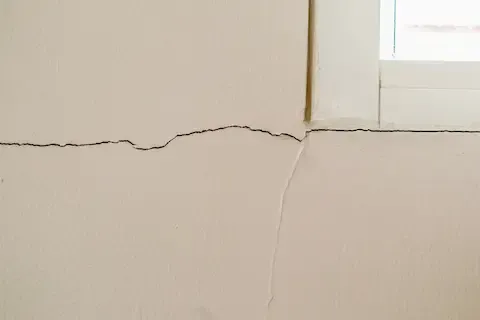
Concrete Emergency in Gresham: Immediate Response Guide for Property Damage
<h1>Concrete Emergency in Gresham: Immediate Response Guide for Property Damage</h1> <p>When concrete fails suddenly, the situation demands immediate attention. A collapsed driveway section, a severely cracked foundation wall, or a sunken patio that appeared overnight isn't just an inconvenience. These emergencies create safety hazards, threaten structural integrity, and cause property damage that worsens by the hour. In Gresham, where heavy rainfall and soil conditions accelerate concrete problems, knowing how to respond in the first critical hours can prevent a manageable situation from becoming a catastrophic one.</p> <p>Concrete emergencies happen without warning. You might leave for work with a normal driveway and return to find a section collapsed into a void. A winter storm might crack your foundation in ways that allow water to flood your basement. Tree roots might heave up a walkway section, creating a dangerous trip hazard overnight. These situations require quick assessment, immediate stabilization, and informed decisions about next steps.</p> <p>Most property owners have never dealt with a concrete emergency. The combination of urgency, safety concerns, and potential costs creates stress that can lead to poor decisions. Understanding what constitutes a true emergency, what immediate actions protect your property and safety, and how to navigate the response process gives you control when everything feels chaotic. This guide walks you through recognizing concrete emergencies, taking immediate protective steps, and making sound decisions under pressure.</p> <h2>Identifying True Concrete Emergencies</h2> <p>Not every concrete problem is an emergency, but certain situations demand immediate response. A structural failure that creates safety hazards qualifies as an emergency. This includes large sections of concrete that have collapsed, shifted dramatically, or separated from foundations. If people or vehicles cannot safely access or exit your property, you have an emergency.</p> <p>Foundation cracks that allow water intrusion are emergencies during active rainfall. A crack that was dry yesterday but now streams water into your basement during a storm needs immediate attention. Gresham's extended rainy seasons mean water damage can accumulate rapidly. Even a few hours of water intrusion can damage flooring, walls, and stored belongings while creating conditions for mold growth.</p> <p>Sudden subsidence under driveways or walkways constitutes an emergency when the drop exceeds three inches. This indicates a significant void beneath the concrete. The remaining concrete could collapse further at any time, potentially trapping vehicles or injuring pedestrians. Voids often form from burst water lines, failed drainage systems, or rapid soil erosion during heavy rain.</p> <p>Concrete that threatens utility lines or services requires immediate response. If shifting concrete has damaged gas lines, water mains, sewer connections, or electrical conduits, you face both a concrete emergency and a utility emergency. Gas leaks present explosion risks. Sewer damage creates health hazards. Electrical damage can cause fires or electrocution.</p> <p>Impact damage from vehicles or fallen trees may create emergencies depending on severity. If a car drove through your garage wall, the structural integrity of your home could be compromised. If a tree fell on your patio slab and cracked it severely, sharp concrete edges and unstable sections create immediate dangers.</p> <p>Less urgent situations include minor cracking, surface spalling, or gradual settling that has been ongoing. While these need attention, they don't require middle-of-the-night response. The key distinction is whether the situation poses immediate danger or is actively worsening in ways that will cause additional damage if not addressed within hours rather than days.</p> <h2>Immediate Safety Measures</h2> <p>Your first priority in any concrete emergency is safety. Keep people and pets away from damaged areas. Collapsed or shifting concrete can trap limbs, cause falls, or collapse further. Establish a safety perimeter using caution tape, cones, or temporary fencing. Make the boundary obvious so children, visitors, or delivery personnel don't accidentally enter the danger zone.</p> <p>If vehicles are trapped on or near damaged concrete, assess whether they can be safely moved. A car sitting on a cracked but stable driveway might be fine to drive off carefully. A vehicle over a subsidence void could cause further collapse if moved. When in doubt, leave it in place and consult a professional before attempting movement.</p> <p>Turn off utilities if damage threatens them. If you see, hear, or smell gas near damaged concrete, evacuate immediately and call the gas company from a safe distance. Do not attempt to locate the leak yourself. For water main breaks, shut off your main water valve to prevent additional erosion and water damage. Mark the location of any suspected utility damage for emergency responders.</p> <p>Document everything immediately. Take photos and videos from multiple angles showing the full extent of damage. Photograph the damaged area, surrounding context, and any visible causes like exposed tree roots or water flow. This documentation serves several purposes: insurance claims, contractor estimates, and later comparison if damage progresses. Time-stamp photos if your phone allows it.</p> <p>Protect the area from weather if possible. Gresham's rainfall can quickly worsen concrete emergencies by washing away additional soil, widening cracks, or causing water infiltration. Cover exposed areas with tarps anchored securely. For foundation cracks allowing water entry, use sandbags or barriers to divert water away from the breach while you arrange professional help.</p> <p>Notify relevant parties promptly. If the damage affects shared property lines, inform neighbors immediately. If the emergency blocks public sidewalks or streets, contact the city. For rental properties, notify landlords or property managers. Time-sensitive communication prevents liability issues and ensures all affected parties can take appropriate action.</p> <h2>Assessing Damage Severity and Causes</h2> <p>Once immediate safety is addressed, understanding what happened helps you communicate effectively with contractors and make informed decisions. Look for obvious causes first. Fresh water flow indicates a burst pipe. Exposed tree roots suggest root intrusion. Nearby excavation or construction might have undermined your concrete's foundation.</p> <p>Check for patterns in the damage. Cracks radiating from a central point suggest impact or concentrated stress. Long, straight cracks following the length of a slab indicate settling or soil movement. Multiple parallel cracks might result from freeze-thaw damage accumulated over time and suddenly manifesting.</p> <p>Examine adjacent areas for secondary damage. Foundation cracks often accompany damaged driveways if both sit on the same unstable soil. Water intrusion through one crack might indicate multiple breach points. Walk your entire property looking for related problems that might not be immediately obvious but share the same underlying cause.</p> <p>Test remaining concrete carefully for stability. Press on edges near cracks with your hand or a broom handle, not your full weight. Listen for hollow sounds indicating voids beneath. Look for fine dust or debris sifting from cracks, which shows active movement. If concrete feels spongy or shifts when pressed, stay off it entirely.</p> <p>Note environmental factors. Did this happen during or immediately after heavy rain? Following a cold snap? After nearby construction? During high winds that might have toppled trees or debris onto concrete? Environmental context helps professionals diagnose root causes and design appropriate repairs.</p> <p>Measure the damage quantitatively. Use a tape measure or ruler to record crack widths, displacement distances, and the size of affected areas. Concrete repair professionals need specific measurements to provide accurate estimates and plan repairs. Saying "there's a big crack" is less helpful than "there's a crack three inches wide running eight feet across the driveway."</p> <h2>Water Management During Concrete Emergencies</h2> <p>Water is often both cause and consequence of concrete emergencies in Gresham. Managing water flow immediately prevents damage escalation. If you have active water intrusion through foundation cracks, use sump pumps, wet vacuums, or buckets to remove standing water. Continued water accumulation damages flooring, promotes mold, and can cause additional concrete cracking from hydrostatic pressure.</p> <p>Identify and stop water sources when possible. If a broken sprinkler line caused subsidence, shut off the irrigation system. If gutter overflow saturated soil and caused settling, redirect downspouts immediately even if it's raining. Every minute you delay allows more water to worsen the situation.</p> <p>Create temporary drainage where needed. Dig shallow trenches to route water away from damaged areas. Use sandbags to create barriers directing water flow. Even temporary measures that reduce water accumulation help stabilize the situation until professional <a href="https://greshamconcrete.com/">concrete repair in gresham</a> can be arranged.</p> <p>Monitor water table effects. In low-lying Gresham areas, seasonal water table fluctuations can destabilize soil under concrete. If your emergency occurred during a period of unusually heavy rain, the problem might partially resolve as water tables drop. However, the damage already done still requires repair. Professional assessment determines whether soil stabilization is needed before concrete work begins.</p> <p>Address drainage system failures. Clogged French drains, failed sump pumps, or blocked culverts often contribute to concrete emergencies by allowing water accumulation where it should be diverted. Inspect these systems during your emergency response. Clearing a blocked drain might immediately reduce water pressure causing your problem.</p> <h2>Coordinating Emergency Response</h2> <p>Concrete emergencies often require multiple service providers. Your general contractor or concrete specialist coordinates most work, but you might also need plumbers, electricians, excavation contractors, or structural engineers depending on the situation. Understanding who does what prevents delays and ensures proper sequencing of repairs.</p> <p>For foundation emergencies, start with a structural engineer assessment. Engineers determine whether your home's structural integrity is compromised and what temporary supports might be needed before repair work begins. Their report provides critical information for insurance claims and guides contractor repairs.</p> <p>Plumbers address any water line damage contributing to the emergency. They locate leaks, shut off affected lines, and perform repairs before concrete work can proceed. Attempting concrete repairs while active leaks continue wastes money and ensures repair failure.</p> <p>Electricians handle any electrical hazards. If shifting concrete damaged buried conduit or electrical boxes, those must be repaired before concrete work begins. Never allow concrete work to proceed over damaged electrical systems. The safety risk is too great.</p> <p>Excavation contractors may be needed to expose the full extent of damage, remove collapsed concrete, or stabilize soil before new concrete is placed. They also handle drainage system installation if poor drainage caused your emergency. Coordinate excavation timing with concrete repairs to minimize property disruption.</p> <p>Request emergency service levels appropriate to your situation. True emergencies warrant premium response times and costs. Less critical situations might be handled during normal business hours at standard rates. Be honest with contractors about urgency. Calling everything an emergency when it's not damages your credibility and might leave you without help when a real emergency occurs.</p> <h2>Insurance Claims and Documentation</h2> <p>Contact your insurance company as soon as safety allows. Many homeowner policies cover sudden concrete damage from specific causes like vehicle impact, falling trees, or burst pipes. Coverage varies widely, so report the damage and let your insurer determine whether it's covered. Don't assume concrete problems are never covered or always covered.</p> <p>Document everything for your claim. Insurance adjusters need clear evidence of damage extent, causation, and timing. Your earlier photos serve this purpose. Also photograph any emergency measures you took to prevent further damage. Insurers typically require policyholders to mitigate damage, and your documentation proves you acted responsibly.</p> <p>Keep receipts for all emergency expenses. Tarps, sandbags, equipment rental, temporary repairs, and professional assessments might be reimbursable depending on your coverage. Submit itemized receipts with your claim. Even if some expenses aren't covered, having complete records prevents disputes.</p> <p>Get multiple repair estimates. Insurance companies often require estimates from licensed contractors before approving claims. Having three estimates demonstrates due diligence and gives you negotiating information. Share these estimates with your adjuster but also review them yourself to ensure they cover all necessary work.</p> <p>Understand your deductible and coverage limits. If damage repair costs less than your deductible, filing a claim might not be worthwhile. Claims history affects future premiums, so weigh the financial benefit of a claim against potential rate increases. For major damage well above your deductible, claims make sense. For minor damage barely exceeding the deductible, paying out of pocket might be smarter.</p> <h2>Selecting Emergency Contractors</h2> <p>Emergency situations create vulnerability to contractor fraud or incompetence. Stressed property owners sometimes hire the first person who shows up, leading to poor work or price gouging. Even under pressure, vet contractors before authorizing work.</p> <p>Verify licensing and insurance. Oregon requires concrete contractors to be licensed and bonded. Check license status on the Oregon Construction Contractors Board website. Confirm they carry liability insurance and workers compensation coverage. Without proper insurance, you're liable if workers are injured on your property.</p> <p>Ask specific questions about emergency experience. Have they handled similar situations? Can they describe their approach to your specific problem? Competent contractors explain what they'll do, why, and what results to expect. Vague answers or pressure tactics are red flags.</p> <p>Get written estimates before authorizing work. Even in emergencies, get pricing in writing. Verbal estimates lead to disputes. The estimate should detail materials, labor, timeline, and total cost. It should also specify what's not included. Hidden costs often emerge when estimates lack detail.</p> <p>Understand payment terms. Reputable contractors require reasonable deposits, typically 10 to 30 percent of total cost. They don't demand full payment upfront. Be wary of cash-only contractors or those pressuring immediate full payment. Maintain payment leverage until work is completed satisfactorily.</p> <p>Check references even in emergencies. Call previous customers and ask about the contractor's reliability, work quality, and how they handled problems. A contractor unwilling to provide references is hiding something. This takes 20 minutes and can prevent hiring disasters.</p> <h2>Preventing Future Concrete Emergencies</h2> <p>After addressing the immediate crisis, focus on prevention. Many concrete emergencies result from deferred maintenance or ignored warning signs. Regular inspections catch small problems before they become emergencies. Walk your property quarterly looking for new cracks, settling, or drainage issues. Address minor problems promptly.</p> <p>Maintain drainage systems religiously. Clean gutters, extend downspouts, keep French drains clear, and grade soil away from concrete. Most Gresham concrete problems trace back to water management failures. Effective drainage prevents soil erosion, reduces freeze-thaw damage, and maintains stable support for concrete.</p> <p>Seal concrete every three to five years. Sealers protect against water intrusion, freeze-thaw damage, and surface deterioration. This relatively inexpensive maintenance extends concrete life and reduces emergency risk. Apply sealers during dry weather following manufacturer instructions.</p> <p>Monitor trees near concrete. Roots cause slow-developing problems that suddenly manifest as emergencies. If trees within 20 feet of concrete show vigorous growth, consider root barriers or professional root pruning. Removing problematic trees before they destroy concrete is cheaper than emergency repairs.</p> <p>Address soil issues proactively. If your property has expansive clay soil or areas with poor compaction, invest in soil stabilization before problems occur. Geotechnical engineers can assess soil conditions and recommend improvements. This upfront investment prevents repeated concrete failures.</p> <p>Budget for concrete maintenance. Setting aside funds annually for inspections, sealing, minor repairs, and drainage improvements means you're prepared for larger repairs when needed. Properties with 20-year-old concrete should anticipate increasing maintenance needs. Planning reduces financial stress when problems arise.</p> <p>Concrete emergencies in Gresham demand quick thinking, appropriate safety measures, and informed decision-making under pressure. By understanding what qualifies as an emergency, taking immediate protective action, properly documenting damage, and selecting qualified contractors, you protect your property and minimize costs. The steps you take in the first hours after discovering concrete damage determine whether you face a manageable repair or a cascading disaster.
