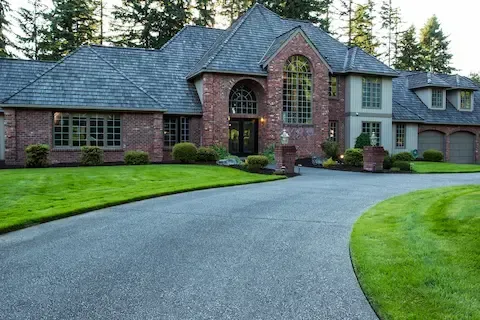
Concrete Driveway Replacement in Gresham: Signs, Costs, and Process
<h1>Concrete Driveway Replacement in Gresham: Signs, Costs, and Process</h1> <p>Your driveway is more than a place to park. It's a functional surface that endures constant vehicle weight, Gresham's wet winters, freeze-thaw cycles, and years of exposure to the elements. Eventually, every concrete driveway reaches the end of its useful life. Knowing when repair is no longer sufficient and replacement becomes necessary saves you money and prevents safety hazards that come with severely deteriorated concrete.</p> <p>Most Gresham homeowners postpone driveway replacement longer than they should. Minor cracks become major fractures. Small settled sections turn into trip hazards. Surface scaling progresses to structural failure. The longer you wait, the more expensive the problem becomes, and the greater the risk to vehicles, property values, and personal safety. Understanding the signs that indicate replacement rather than repair helps you make timely, cost-effective decisions.</p> <p>Concrete driveways in Gresham face unique challenges. The combination of heavy rainfall, clay-based soils in many areas, and temperature fluctuations creates conditions that accelerate deterioration. A driveway that might last 40 years in a dry climate might need replacement in 25 years here. Recognizing what's normal aging versus critical failure requires understanding how concrete behaves in local conditions and what warning signs demand action.</p> <h2>Clear Signs Your Driveway Needs Replacement</h2> <p>Widespread cracking covering more than 25 percent of the driveway surface indicates structural failure. Individual cracks can be repaired, but when the entire surface has fractured into a web of interconnected cracks, the concrete has lost integrity. These crack patterns, often called alligator cracking because they resemble reptile skin, mean the base has failed or the concrete has deteriorated throughout its depth.</p> <p>Significant settling or heaving creates uneven surfaces that repair cannot adequately address. If sections of your driveway have dropped three inches or more, or if frost heaving has pushed sections upward, the soil beneath has become unstable. Surface repairs won't fix underlying soil problems. You might patch the visible damage, but the movement will continue and destroy new repairs within months.</p> <p>Deep spalling that exposes aggregate throughout large areas means the concrete surface has deteriorated beyond cosmetic repair. Spalling occurs when the surface layer flakes away due to freeze-thaw damage, poor finishing, or low-quality concrete. Minor spalling can be patched, but when aggregate is exposed across multiple square feet and the damage extends deeper than one inch, replacement is more practical than extensive patching.</p> <p>Drainage failures causing persistent water pooling indicate grade problems that require complete reconstruction. If water consistently pools in multiple areas of your driveway after rain, the surface has settled unevenly or was improperly graded during installation. No amount of crack filling or resurfacing fixes grade issues. Proper drainage requires removing the old driveway, regrading the base, and pouring new concrete with correct slope.</p> <p>Age combined with multiple problem types often tips the decision toward replacement. A 20-year-old driveway showing minor cracking might be worth repairing. That same driveway with cracking plus settling plus surface deterioration is a replacement candidate. The cumulative effect of multiple issues means repair costs approach replacement costs without providing the longevity of new concrete.</p> <p>Structural damage to the driveway edges is another indicator. When edges crumble, break away, or separate from the main slab, the entire driveway has weakened. Edges bear significant stress from vehicle weight and turning forces. Once edge integrity fails, cracks propagate inward and the damage accelerates. Replacing deteriorated edges alone rarely works because the remaining concrete has also degraded.</p> <h2>When Repair Makes More Sense Than Replacement</h2> <p>Not every damaged driveway requires replacement. Understanding when repair is appropriate prevents unnecessary expenses. Isolated cracks less than a quarter-inch wide can be filled effectively. These cracks, especially if they're limited to one area and haven't widened significantly over time, respond well to flexible crack fillers that prevent water intrusion and stop crack progression.</p> <p>Minor surface scaling affecting less than 10 percent of the driveway can be addressed with concrete resurfacing products. These thin overlays bond to sound underlying concrete and restore appearance and function. Resurfacing works when the structural concrete beneath remains solid even though the surface has deteriorated from weather exposure.</p> <p>Small settled sections can sometimes be lifted using polyurethane foam injection or mudjacking. If a single slab section has dropped one to two inches but surrounding concrete remains level, lifting that section restores an even surface. This approach works when soil conditions have stabilized and further settling is unlikely. For professional <a href="https://greshamconcrete.com/">driveway repair in gresham</a>, contractors can assess whether lifting is viable for your specific situation.</p> <p>Driveways less than 10 years old showing damage often merit repair rather than replacement. Young concrete failing prematurely suggests installation defects or unusual stress, but the overall structure may still have decades of potential life. Addressing the specific problem area while preserving newer, sound concrete makes financial sense.</p> <h2>Understanding Replacement Costs in Gresham</h2> <p>Driveway replacement costs vary based on size, site conditions, and material choices. A standard two-car driveway measuring approximately 400 square feet typically costs between $3,200 and $6,000 for basic removal and replacement with plain concrete. This range assumes normal site access, standard thickness concrete, and straightforward grading requirements.</p> <p>Several factors push costs higher. Difficult access requiring hand work or smaller equipment increases labor costs significantly. If contractors can't get machinery close to your driveway, they need more workers and more time. Properties with steep slopes or limited street access face premium pricing for the additional complexity.</p> <p>Soil conditions impact total cost. If excavation reveals unstable soil requiring additional base preparation, costs increase. Clay soils common in Gresham sometimes need extra gravel base or geotextile fabric to prevent future settling. These additions might add $800 to $2,000 depending on the extent of soil issues discovered during preparation.</p> <p>Concrete thickness requirements vary by use. A standard driveway uses four-inch-thick concrete. If you park heavy vehicles, RVs, or boats, six-inch concrete provides necessary strength. Upgrading to thicker concrete adds roughly $1.50 to $2.50 per square foot. While more expensive initially, thicker concrete lasts longer and resists cracking better under heavy loads.</p> <p>Decorative options increase costs but enhance appearance and property value. Stamped concrete mimicking stone or brick patterns adds $3 to $8 per square foot. Colored concrete adds $1 to $3 per square foot. Exposed aggregate finishes add $2 to $5 per square foot. These upgrades transform a utilitarian driveway into an attractive landscape feature that distinguishes your property.</p> <p>Removal and disposal of old concrete constitutes a significant cost component. Expect to pay $2 to $4 per square foot just for demolition and hauling. Properties with thick old concrete, reinforced concrete, or limited disposal site access face higher removal costs. Some contractors include removal in their total bid, while others itemize it separately.</p> <h2>The Replacement Process Step by Step</h2> <p>Understanding what happens during replacement helps you prepare and know what to expect. The process begins with site preparation. Contractors mark utility lines to avoid damage during excavation. They identify water, gas, electric, cable, and sewer lines that might run under or near your driveway. This step is critical for safety and prevents expensive utility repairs.</p> <p>Demolition and removal come next. Workers break up old concrete using jackhammers, concrete saws, or heavy machinery. They haul debris away in dump trucks. Demolition typically takes one day for a standard driveway, though larger or thicker driveways require more time. Expect noise and dust during this phase. Covering nearby plants and closing windows minimizes disruption.</p> <p>Base preparation determines the new driveway's longevity. Contractors excavate to proper depth, typically six to eight inches below the final concrete surface. They compact the soil thoroughly using plate compactors or roller equipment. Poor compaction causes future settling, so this step cannot be rushed. In areas with clay soil or previous settling problems, contractors add crushed rock base material and compact it in layers.</p> <p>Grading establishes proper drainage. The driveway should slope away from structures at a minimum of one-quarter inch per foot. This ensures water drains off rather than pooling or flowing toward your foundation. Contractors use laser levels or string lines to verify correct grade before pouring concrete. Improper grading creates persistent problems no amount of quality concrete can overcome.</p> <p>Formwork installation creates the driveway's boundaries. Workers set wooden or metal forms at the correct height and alignment. Forms must be secure because wet concrete exerts substantial pressure. Proper formwork ensures straight edges and uniform thickness. For curved driveways or custom shapes, contractors use flexible forming materials that bend to desired contours.</p> <p>Concrete pouring happens quickly once preparation is complete. Ready-mix trucks deliver concrete mixed to specifications for your project. Workers spread, level, and finish the concrete within a few hours. Timing is critical because concrete begins setting and can't be worked once it reaches a certain stage. This is why contractors mobilize full crews for pour days.</p> <p>Finishing creates the surface texture and appearance. Workers use various tools depending on desired finish. Broom finishes provide traction. Smooth troweled finishes look sleek but can be slippery when wet. Stamped or decorative finishes require specialized skills and add time to the process. Proper finishing affects both appearance and functionality.</p> <p>Curing is the final critical step. Concrete gains strength as it cures, a chemical process requiring moisture and time. Contractors apply curing compounds or cover concrete with plastic sheeting to retain moisture. They might also wet the surface periodically. Proper curing takes at least seven days, though concrete continues gaining strength for weeks. Rushing this step by driving on concrete too soon causes surface damage and reduces lifespan.</p> <h2>Seasonal Considerations for Replacement in Gresham</h2> <p>Timing your driveway replacement affects both cost and quality. Summer and early fall offer the best conditions. Dry weather allows proper curing without rain interference. Warmer temperatures help concrete set correctly. Contractors have more availability and can complete work without weather delays.</p> <p>Late fall through early spring presents challenges. Gresham's rainy season complicates every aspect of concrete work. Rain can damage freshly poured concrete, wash away curing compounds, and prevent proper finishing. Cold temperatures slow curing and can weaken concrete if it freezes before gaining sufficient strength. While winter work is possible with proper precautions, it increases costs and risks.</p> <p>Spring offers moderate conditions but unpredictable weather. You might schedule work during a dry spell only to face unexpected rain. Contractors often require weather contingency clauses in spring contracts, allowing them to postpone pours if forecasts turn unfavorable. Flexibility in scheduling helps manage weather uncertainties.</p> <p>Contractor availability varies seasonally. Summer books up quickly as everyone wants outdoor work done. Scheduling early ensures you get preferred contractors and timing. Winter might offer lower prices due to reduced demand, but weather risks often negate savings through delays or quality issues.</p> <h2>Preparing Your Property for Replacement</h2> <p>Successful driveway replacement requires homeowner preparation. Clear the driveway and immediate area of vehicles, plants in containers, lawn furniture, and anything else that might obstruct work. Contractors need unimpeded access from the street to the work site.</p> <p>Notify neighbors about the project. Concrete work is noisy and disruptive. Heavy trucks will park on the street. Workers arrive early. Giving neighbors advance notice maintains good relationships and prevents complaints. Some contractors provide neighbor notification letters you can distribute.</p> <p>Arrange alternative parking. You can't use your driveway during demolition, pouring, or the initial curing period. Depending on contractor timelines, this might mean a week or more without driveway access. Plan where household vehicles will park during this time.</p> <p>Protect landscaping near the work area. Heavy equipment and debris removal can damage plants, sprinkler systems, or hardscaping. Cover plants with tarps if they're close to the work zone. Mark sprinkler heads and underground irrigation lines so workers can avoid them.</p> <h2>Maintaining Your New Driveway</h2> <p>Proper maintenance extends your new driveway's life. Seal the concrete 12 to 18 months after installation, then reseal every three to five years. Sealers protect against water intrusion, freeze-thaw damage, and staining. They're inexpensive insurance that prevents premature deterioration.</p> <p>Clean the driveway regularly. Remove oil stains promptly using degreasers designed for concrete. Sweep away debris that holds moisture against the surface. Pressure wash annually to remove built-up grime, but use appropriate pressure settings to avoid surface damage.</p> <p>Avoid de-icing salts during winter. Salt accelerates concrete deterioration and causes surface scaling. Use sand for traction instead. If you must use de-icers, choose products labeled as concrete-safe and apply them sparingly.</p> <p>Address minor cracks immediately. Even new driveways might develop small shrinkage cracks. Fill them promptly to prevent water intrusion. Early intervention prevents small problems from becoming major repairs.</p> <p>Monitor drainage patterns. Ensure water continues flowing off the driveway as designed. If you notice new pooling areas, address grade problems before they cause concrete damage. Keep gutters clean and downspouts extended away from the driveway.</p> <p>Replacing a concrete driveway represents a significant investment in your property. By recognizing when replacement is necessary rather than continuing to patch failing concrete, understanding realistic costs, and working with qualified contractors who follow proper procedures, you ensure decades of reliable service from your new driveway. Gresham's climate demands quality installation and ongoing maintenance, but a well-built driveway withstands local conditions and enhances your property's value and curb appeal for years to come.
