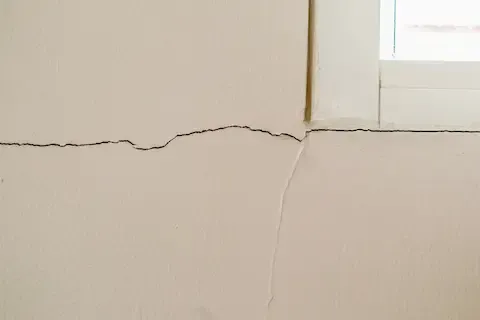
Concrete Cracking in Gresham Climate: Prevention and Repair Strategies
<h1>Concrete Cracking in Gresham Climate: Prevention and Repair Strategies</h1> <p>Concrete cracks. This reality frustrates property owners who expect their driveways, patios, and walkways to remain pristine indefinitely. While some cracking is inevitable in any concrete installation, Gresham's climate accelerates crack formation and propagation through mechanisms that don't affect concrete in drier or more temperature-stable regions. Understanding why concrete cracks, which cracks matter, and how to prevent or repair them helps you maintain functional, attractive concrete surfaces for decades.</p> <p>Not all cracks indicate serious problems. Hairline shrinkage cracks are normal and don't compromise structural integrity. Wide structural cracks signal underlying issues requiring immediate attention. Learning to distinguish between cosmetic cracking and damage that threatens concrete longevity prevents both unnecessary panic over minor cracks and dangerous neglect of serious problems. The difference lies in crack width, location, pattern, and whether cracks are actively widening.</p> <p>Gresham's combination of heavy rainfall, clay soils, and temperature fluctuations creates perfect conditions for concrete cracking. Water saturates soil beneath slabs, causing swelling and settlement. Freeze-thaw cycles create internal stresses. Poor drainage undermines base materials. Tree roots exert pressure from below. Each factor individually can crack concrete. Combined, they make crack prevention require systematic attention to design, installation, and maintenance rather than hope and luck.</p> <h2>Types of Concrete Cracks and What They Mean</h2> <p>Plastic shrinkage cracks appear within hours of pouring, while concrete is still plastic and hasn't hardened completely. These shallow cracks run randomly across the surface, often in irregular patterns. They result from rapid moisture loss during finishing, typically on hot, windy days. While unsightly, plastic shrinkage cracks rarely indicate structural problems. They're usually shallow and don't propagate through the full thickness of the slab.</p> <p>Drying shrinkage cracks develop as concrete cures and excess water evaporates. All concrete shrinks slightly during curing, typically about one-sixteenth inch per ten feet. When shrinkage is restrained by friction with the base, by reinforcement, or by connection to other structures, tensile stresses develop. If these stresses exceed concrete's tensile strength, cracks form. Drying shrinkage cracks typically appear within the first year after installation and stabilize once concrete reaches equilibrium moisture content.</p> <p>Settlement cracks indicate movement of the soil beneath concrete. These cracks are often wide and increase in width over time. They typically run in relatively straight lines and may show vertical displacement where one side of the crack sits lower than the other. Settlement cracks signal serious problems because they indicate unstable soil conditions that will continue causing damage until the underlying issue is addressed.</p> <p>Freeze-thaw cracks result from repeated expansion and contraction as water within concrete freezes and thaws. These cracks often appear as pattern cracking across the surface, sometimes called map cracking or alligator cracking because of their resemblance to dried mud or reptile skin. Freeze-thaw damage indicates concrete without adequate air entrainment or concrete that has absorbed excessive moisture. This type of cracking progressively worsens with each winter season.</p> <p>Structural cracks develop from overloading, inadequate thickness, or poor base support. These cracks often run the full depth of the slab and show significant width. Structural cracks might follow lines of stress concentration, such as re-entrant corners where L-shaped slabs create weak points. They signal concrete that cannot adequately support the loads placed on it and require professional evaluation to determine repair versus replacement needs.</p> <h2>Climate Factors That Cause Cracking in Gresham</h2> <p>Gresham's clay-heavy soils expand when wet and contract when dry. This volume change creates movement beneath concrete slabs. During wet winters, saturated clay swells and can heave concrete upward. During dry summers, clay contracts and slabs settle. This cyclical movement stresses concrete continuously. Over years, even well-designed concrete cracks from accumulated stress. Properties with clay soils experience more cracking than those with sandy or gravelly soils that remain dimensionally stable regardless of moisture.</p> <p>Freeze-thaw cycles occur frequently in Gresham despite the relatively mild climate. Temperatures hovering around freezing create more damaging cycles than consistently cold weather. A week in January might bring ten separate freeze-thaw events as temperatures drop below freezing overnight and rise during the day. Each cycle subjects concrete to expansion and contraction stresses. Water trapped in cracks freezes, expands, and widens the cracks. This progressive damage explains why hairline cracks often become significant structural cracks within a few winters.</p> <p>Heavy rainfall creates hydrostatic pressure beneath slabs. Water accumulating under concrete with poor drainage exerts upward pressure. This pressure can lift sections of slabs, creating cracks at stress points. When water eventually drains or evaporates, affected sections settle, but they rarely return to exact original positions. The result is permanent displacement and cracking. Properties in low-lying areas or with high water tables face increased risk of hydrostatic pressure damage.</p> <p>Temperature fluctuations cause concrete to expand and contract. While the Pacific Northwest doesn't experience extreme temperature swings, the differential between hot summer days and cool nights creates thermal movement. Dark concrete surfaces can reach temperatures 30 to 40 degrees higher than ambient air on sunny days. When these surfaces cool overnight, they contract. If concrete is restrained from moving freely, thermal stresses accumulate and eventually exceed the material's tensile strength, causing cracks.</p> <h2>Prevention Strategies During Installation</h2> <p>Proper base preparation is the single most important factor in preventing settlement cracks. The base must be uniformly compacted to provide consistent support across the entire slab. Soft spots in the base create areas where concrete settles differentially, causing cracks. In Gresham's clay soils, contractors should excavate to stable soil or add substantial gravel base material. A minimum four to six-inch gravel base, compacted in layers, provides drainage and stable support that prevents settlement cracking.</p> <p>Control joints create intentional weak points where concrete cracks in straight lines rather than random patterns. These joints, cut or formed to one-quarter the slab's depth, guide cracking to predetermined locations. Proper control joint spacing depends on slab thickness and concrete mix design, but general guidelines suggest joints every eight to twelve feet in driveways and walkways. Joints create clean, controlled cracks that are easier to maintain than random cracking throughout the slab.</p> <p>Adequate slab thickness resists cracking from loads and environmental stresses. Standard four-inch thickness suffices for pedestrian areas and light vehicles. Driveways that accommodate heavy trucks, RVs, or boats should be six inches thick. Insufficient thickness creates slabs that flex under load, leading to fatigue cracking. While thicker concrete costs more initially, it dramatically reduces cracking and extends service life, making it economical over the concrete's lifespan.</p> <p>Proper water-cement ratio affects cracking susceptibility. Excessive water makes concrete easier to place and finish but creates weaker concrete that's more prone to shrinkage cracking and has lower tensile strength. The optimal water-cement ratio for Gresham conditions is typically 0.40 to 0.45. This produces concrete that's durable and crack-resistant while remaining workable enough for proper placement and finishing.</p> <p>Reinforcement controls crack width even when it doesn't prevent cracks entirely. Wire mesh or rebar doesn't stop concrete from cracking, but it keeps cracks tight and prevents them from widening significantly. For professional <a href="https://greshamconcrete.com/">concrete repair in gresham</a>, contractors often recommend reinforcement in slabs over 500 square feet or in areas with known soil instability. The modest cost of reinforcement provides insurance against crack propagation that could otherwise require expensive repairs.</p> <h3>Curing Practices That Minimize Cracking</h3> <p>Proper curing maintains adequate moisture in concrete as it gains strength. Concrete that dries too quickly develops higher shrinkage stresses and is more prone to cracking. Curing methods include water ponding, wet burlap covers, plastic sheeting, or liquid curing compounds. In Gresham's climate, curing compounds work well because they seal in moisture without requiring constant attention. Concrete should be kept moist for at least seven days, longer for large or critical slabs.</p> <p>Controlling concrete temperature during curing reduces thermal cracking. Pouring during moderate weather prevents temperature-related issues. Summer pours in direct sunlight can experience rapid surface drying that causes plastic shrinkage cracks. Winter pours require protection from freezing. Scheduling concrete work during spring or fall when temperatures stay consistently between 50 and 70 degrees provides ideal curing conditions that minimize crack risk.</p> <h2>Drainage Solutions That Prevent Cracking</h2> <p>Effective surface drainage keeps water from accumulating on or near concrete. Slabs should slope at minimum one-quarter inch per foot away from structures and toward drainage areas. This gradient moves water off surfaces quickly after rain. Standing water not only increases freeze-thaw damage risk but also saturates soil beneath slabs, contributing to settlement and cracking. Proper grading during installation prevents drainage problems that cause cracking years later.</p> <p>Subsurface drainage addresses groundwater and prevents hydrostatic pressure. French drains, perforated pipes surrounded by gravel, collect water from beneath and around concrete installations. These systems are particularly important in low areas, near downspouts, or where water tables are high. Subsurface drainage might seem expensive during installation, but it prevents settlement cracking that costs far more to repair than the drainage system cost to install.</p> <p>Gutter and downspout management is critical. Roof water concentrated through downspouts can saturate soil and erode base materials if discharged too close to concrete. Downspouts should extend at least six feet from driveways, patios, and walkways, ideally connecting to underground drain lines that route water completely away from the property. This simple measure prevents thousands of gallons of water from compromising concrete foundations annually.</p> <h2>Crack Repair Techniques and When to Use Them</h2> <p>Narrow inactive cracks less than one-eighth inch wide can be sealed with flexible crack fillers. These polymer-based sealants flow into cracks and remain flexible, accommodating minor concrete movement without breaking. Clean cracks thoroughly before applying sealant, removing loose material and debris. Proper preparation ensures sealant bonds effectively and provides lasting protection against water intrusion. Sealed cracks prevent water from penetrating deep into concrete where it causes freeze-thaw damage.</p> <p>Wider stable cracks between one-eighth and one-quarter inch require routing before filling. Routing means cutting the crack wider and deeper to create a uniform reservoir for sealant. This provides better sealant anchorage and accommodates more movement than simply filling the surface. Use a concrete saw or grinder to route cracks to approximately one-quarter inch width and depth. Clean thoroughly, then fill with appropriate flexible sealant.</p> <p>Active cracks that continue widening need professional evaluation before repair. These cracks indicate ongoing movement from settlement, soil problems, or structural inadequacy. Filling active cracks provides only temporary cosmetic improvement because movement continues and breaks the repair. Address the underlying cause before attempting crack repair. This might require soil stabilization, drainage improvement, or slab replacement depending on damage severity.</p> <p>Structural cracks wider than one-quarter inch often benefit from epoxy injection. This technique involves injecting low-viscosity epoxy deep into cracks under pressure. The epoxy bonds crack faces together, restoring structural integrity. Epoxy injection is more expensive than surface sealing but provides structural repair rather than just water protection. It's appropriate for valuable concrete where replacement isn't economically feasible and where underlying causes have been addressed.</p> <p>Full-depth cracks with vertical displacement require more extensive repair. If one side of a crack sits significantly higher than the other, the slab has lost base support. Options include mudjacking or polyurethane foam injection to lift the settled section, followed by crack repair. Alternatively, extensive settlement might warrant slab replacement, especially if multiple areas show displacement or if the concrete is old and showing other deterioration signs.</p> <h2>Long-Term Crack Prevention and Maintenance</h2> <p>Regular sealing protects concrete from moisture intrusion that accelerates cracking. Penetrating sealers applied every three to five years repel water while allowing vapor transmission. This reduces freeze-thaw damage, minimizes soil saturation beneath slabs, and slows deterioration. Sealing is inexpensive maintenance that significantly extends concrete life and reduces crack formation from environmental exposure.</p> <p>Prompt repair of minor cracks prevents them from becoming major problems. Small cracks filled today don't widen into structural issues requiring expensive repair. Make crack inspection and repair part of annual property maintenance. Fall is ideal timing in Gresham because you address cracks before winter freeze-thaw cycles worsen them. Spring inspection after winter identifies new damage for repair before summer heat and traffic stress cracks further.</p> <p>Monitoring soil moisture around concrete helps identify developing problems. Areas that stay consistently wet indicate drainage issues that will eventually cause cracking. Address drainage problems when you notice them rather than waiting for concrete damage to appear. Installing drain tile, regrading soil, or extending downspouts costs far less than repairing cracked concrete.</p> <p>Controlling vegetation prevents root-related cracking. Trees within 20 feet of concrete can cause problems as roots seek moisture and grow beneath slabs. Root barriers installed during construction prevent roots from reaching concrete. For existing installations, aggressive root pruning might be necessary to prevent crack formation. Sometimes tree removal becomes necessary when roots have already damaged concrete and will continue causing problems if the tree remains.</p> <h2>When Repair Is Inadequate and Replacement Is Necessary</h2> <p>Extensive cracking covering more than 25 percent of a surface indicates systemic failure. Individual crack repair becomes impractical when cracks are numerous and interconnected. The cost of repairing dozens of cracks approaches replacement cost, but repairs don't deliver the longevity of new concrete. Extensive cracking also suggests underlying problems like poor base preparation or inadequate concrete specifications that repairs won't address.</p> <p>Wide cracks with significant vertical displacement cannot be adequately repaired without addressing settlement causes. If sections have dropped three inches or more, the soil beneath has failed. Surface crack repairs over failed base materials provide only cosmetic improvement. The settlement will continue, breaking repairs within months. These situations require excavation, base reconstruction, and new concrete installation.</p> <p>Age combined with multiple crack types often justifies replacement over repair. A 20-year-old driveway with settlement cracks, freeze-thaw damage, and poor drainage represents concrete near the end of its design life. Investing in extensive repairs might gain a few years, but replacement with properly specified modern concrete provides decades of additional service. Consider the concrete's age and overall condition when deciding between repair and replacement.</p> <h2>Selecting Contractors for Crack Repair</h2> <p>Quality crack repair requires proper diagnosis of crack causes. Contractors who simply fill cracks without investigating why they formed address symptoms rather than problems. Good contractors examine crack patterns, assess soil conditions, evaluate drainage, and identify underlying issues before recommending repairs. Their diagnosis determines whether simple crack filling suffices or whether more extensive work is necessary.</p> <p>Experience with Gresham soil conditions matters significantly. Contractors familiar with local clay soils, rainfall patterns, and common concrete problems provide better solutions than general contractors without regional expertise. They understand which repair methods work in local conditions and which fail despite manufacturer claims. Regional experience translates to repairs that last rather than temporary fixes that fail within seasons.</p> <p>Warranty coverage indicates contractor confidence in their work. Reputable contractors warranty crack repairs for at least one year, often longer. The warranty should specify what's covered and under what conditions. If cracks reopen within the warranty period, the contractor should repair them at no additional charge. Contractors offering no warranty don't stand behind their work and should be avoided.</p> <p>Concrete cracking in Gresham results from climate conditions, soil characteristics, and installation quality. Understanding crack types, implementing prevention strategies during installation, maintaining proper drainage, and repairing cracks promptly when they appear minimizes damage and extends concrete life. While some cracking is inevitable, systematic attention to factors within your control keeps cracking manageable rather than allowing it to progress to structural failure requiring expensive replacement.
